Morton’s neuroma is a painful enlargement of the nerve that runs between the toes—most commonly between the third and fourth digits. Chronic irritation, compression, and repetitive stress cause the nerve to thicken, creating a burning or electric-shock sensation in the ball of the foot. Over time, the nerve becomes inflamed and fibrotic, limiting the effectiveness of non-surgical care such as orthotics, shoe modifications, injections, and physical therapy.
Surgery is recommended when symptoms remain disabling despite comprehensive conservative treatment. The American Orthopaedic Foot & Ankle Society (AOFAS) notes that surgical excision is highly effective for patients with long-standing neuroma pain that interferes with walking, daily activities, or footwear tolerance. At our clinics in Danbury, Southbury, and Naugatuck, the podiatrists perform neuroma excision using precise, evidence-based techniques designed to minimize recurrence and deliver reliable relief.

DPM, FACFAS, FACFO
Over 30 years of experience in podiatric surgery, medical education, and clinical leadership

DPM
More than a decade of caring for patients across Connecticut as a board-certified podiatric surgeon

DPM
Up-to-date surgical training with a conservative-first approach, guided by current research

DPM
An exercise science specialist who combines advanced surgical training with genuine empathy
When Neuroma Surgery Becomes the Right Option
Persistent Forefoot Pain That Limits Movement
Patients typically describe burning pain in the ball of the foot, sharp radiating sensations into the toes, or a feeling of “walking on a pebble.” When these symptoms continue despite months of conservative management, the neuroma may be too fibrotic to respond without surgical intervention.
Confirmed Diagnosis Through Clinical Exam and Imaging
Ultrasound or MRI can confirm nerve thickening and help rule out conditions such as capsulitis, synovitis, or plantar plate tears. During your evaluation, our doctors assess the exact location of compression, your foot structure, gait mechanics, and contributing biomechanical factors to ensure surgery is truly appropriate.
When Conservative Treatments Stop Working
If you have undergone footwear changes, custom orthotics, corticosteroid injections, activity modification, and structured rehabilitation without improvement, surgical excision is often the most effective long-term solution.
What Neuroma Surgery Involves
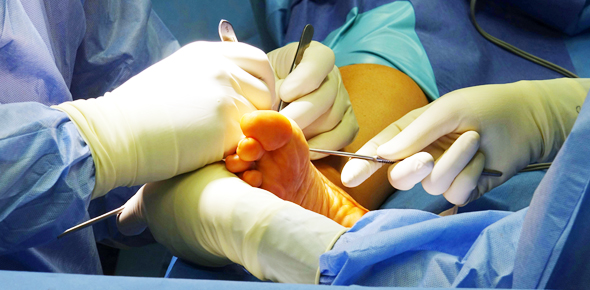
- Precise Excision With Long-Term Relief in Mind: The procedure removes the affected segment of the nerve to stop chronic irritation and eliminate the source of pain. Our surgeons perform the operation through a small dorsal (top of the foot) incision, which reduces scarring under the weight-bearing area and minimizes post-operative discomfort.
- Evidence-Based Surgical Technique: Guidelines and clinical evidence referenced by the AOFAS support surgical excision as the gold-standard treatment for neuromas unresponsive to conservative care. By removing the fibrotic portion of the nerve, recurrence rates are low and long-term satisfaction is high.
- Expertise You Can Trust: Each procedure is performed by specialists in forefoot surgery with extensive experience treating nerve-related conditions. Their focus on anatomical precision, minimally invasive exposure, and optimal incision placement ensures a smoother recovery and long-lasting results.
Common Causes of Morton’s Neuroma
Mechanical Compression
Tight shoes, narrow toe boxes, and high heels compress the metatarsal heads, placing stress on the nerve.
Foot Structure
Flat feet, high arches, and instability in the forefoot can increase friction and create chronic irritation.
Repetitive Stress
Running, sports, or occupations that require prolonged standing can accelerate nerve thickening.
Your Plan for an Active Life
- Schedule an Expert Evaluation Built Around You: Your visit includes a detailed clinical exam, gait assessment, and imaging review so we can pinpoint the source of nerve compression. One of our CT Podiatrists will determine whether your symptoms stem from a neuroma or another forefoot condition that can mimic the same pain pattern.
- A Clear, Personalized Treatment Plan: Your surgeon will explain the rationale behind excision, what conservative options remain, and whether a minimally invasive approach or open technique is best for your anatomy. You’ll understand exactly what results to expect and how we support your recovery through every stage.
- A Roadmap Back to Comfortable Movement: From early protected weight-bearing to a guided rehabilitation plan, we design your recovery to restore pressure distribution, mobility, and comfort. Our goal is simple: help you walk, exercise, and move without the constant nerve pain that once controlled your day.
Why Patients Trust Family FootCare for traeting Morton’s Neuroma?
Patients choose our CT podiatric clinic because we combine advanced training, evidence-based decision-making, and a patient-centered approach that makes each person feel understood and supported. Our doctors bring extensive experience in forefoot reconstruction and use modern diagnostic tools to ensure precise evaluation. We don’t rush decisions: every patient receives a thorough explanation of findings, treatment options, and realistic expectations so they can make informed, confident choices about their care.
Related Conditions and Treatments
We provide a full spectrum of treatments tailored to the diverse lifestyles of Southbury, Danbury, and Naugatuck, CT residents.
Schedule Your Appointment Today
If Morton’s Neuroma is limiting your life, you don’t have to keep pushing through it. Our team will help you understand the cause of your symptoms and whether surgical correction may offer long-term relief. Schedule a consultation to begin your path toward comfortable, confident movement.
Whether you need a routine diabetic foot check, orthotics for work, or treatment for an injury, Family Footcare CT is here to help. Contact us!
Call us today to book your visit:
📞 +1 203-405-6501
Frequently Asked Questions (FAQ) about Morton’s Neuroma
It is a thickening of the tissue around a nerve leading to the toes, usually between the 3rd and 4th toes. It feels like standing on a pebble or a folded sock.
Neuroma pain is often described as a sudden burning or electric shock sensation in the ball of the foot. If you experience these “zingers,” visit Dr. Betty M. Carreira in Southbury for a nerve evaluation.
Yes. While the neuroma is on the bottom, the inflammation can radiate to the top of the foot. We perform a physical exam (Mulder’s sign) to confirm the diagnosis.
Orthotics with a “metatarsal pad” can spread the bones to relieve pressure on the nerve. We fabricate these custom insoles locally at our Danbury office to ensure the pad is placed perfectly.
If injections fail, Dr. Austin Davidow performs a neurectomy, where the damaged nerve is surgically removed. This permanently eliminates the pain.
Yes, removing the nerve results in permanent numbness in the web space between the two toes. Most patients prefer this numbness over the intense pain of the neuroma.
Neuromas are common in runners and dancers. Dr. James M. DeJesus has extensive experience treating athletes and getting them back to performance levels post-surgery.
It is generally well-tolerated. You will need to keep weight off the ball of the foot for about 3-4 weeks to allow the incision to heal.
The nerve can continue to enlarge, making walking increasingly difficult. Permanent nerve damage can occur.
Nerve pain can be tricky and radiate from the ankle (tarsal tunnel) to the toes. Our diagnostic team in CT can determine if the issue is in the ankle or the ball of the foot.