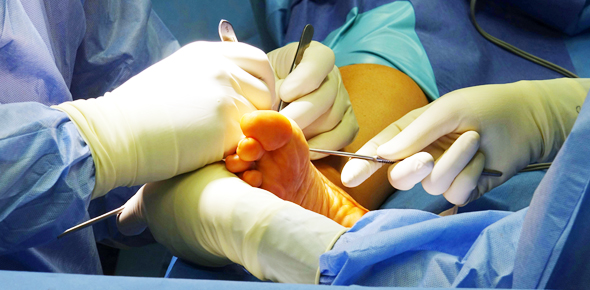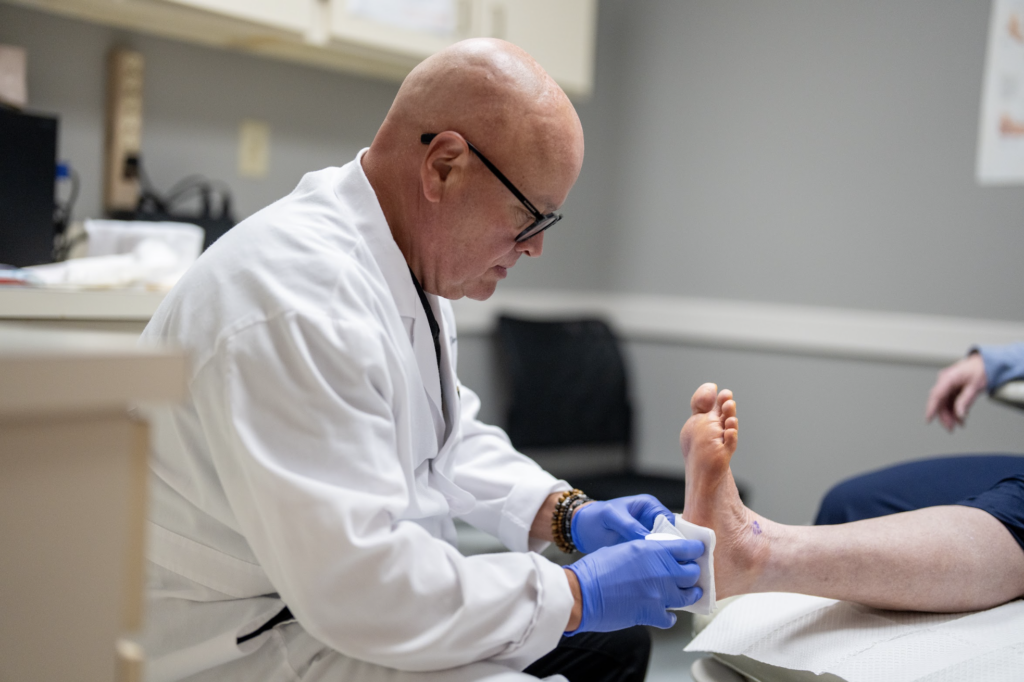
Heel pain is one of the most common reasons people seek foot and ankle care, yet it is often underestimated in its complexity. Pain in the heel can make standing, walking, or even getting out of bed in the morning feel difficult and unpredictable. According to the American Orthopaedic Surgeons (AAOS), heel pain frequently interferes with normal gait patterns, leading many patients to unconsciously alter how they walk, which can place added stress on the ankles, knees, hips, and lower back. What may begin as localized discomfort can therefore evolve into a broader musculoskeletal issue if left unaddressed.

DPM, FACFAS, FACFO
Over 30 years of experience in heel surgery, medical education, and clinical leadership

DPM
More than a decade of caring for patients across Connecticut as a board-certified podiatric surgeon

DPM
Up-to-date heel surgical training with a conservative-first approach, guided by current research

DPM
An exercise science specialist who combines advanced surgical training with genuine empathy
Understanding Heel Pain and Its Impact on Daily Life
From a clinical perspective, heel pain is not a single diagnosis but a symptom with multiple possible causes. The American Orthopaedic Foot & Ankle Society (AOFAS) emphasizes that accurate identification of the underlying condition is essential, as treatments that help one cause of heel pain may be ineffective—or even counterproductive—for another. At Family FootCare, our podiatricians approach heel pain with careful evaluation and evidence-based decision-making to ensure patients receive care tailored to the true source of their symptoms.
Common Causes of Heel Pain
Heel pain most often develops due to repetitive stress, structural alignment issues, or inflammation of the soft tissues and bone. One of the most recognized causes is plantar fasciitis, in which the thick band of tissue supporting the arch becomes irritated near its attachment at the heel. AOFAS guidance notes that this condition often causes sharp pain with the first steps in the morning or after periods of rest. However, plantar fasciitis is only one possibility among many.
Other causes may include Achilles tendon irritation, bursitis, heel spurs, nerve entrapment, stress fractures, or inflammatory arthritis. Dr. Austin Davidow explains that athletes, workers who stand for long hours, and individuals with flat feet or high arches are particularly vulnerable because altered biomechanics can increase repetitive load on the heel. Systemic conditions, such as arthritis or metabolic disorders, may also contribute to persistent heel pain and require a broader medical approach.
Symptoms That Warrant Professional Evaluation
While occasional heel discomfort may resolve with rest, persistent or worsening pain should not be ignored. According to the AAOP, warning signs include pain that lasts longer than a few weeks, swelling, redness, numbness, or pain that changes your walking pattern. Heel pain that is severe, sudden, or associated with trauma may indicate a fracture or acute tendon injury and should be evaluated promptly.
Dr. Michelle DeJesus notes that many patients delay care, assuming heel pain is a normal part of aging or activity. In reality, early evaluation often allows for simpler, non-surgical solutions and helps prevent chronic inflammation or secondary joint strain.
Diagnostic Approach to Heel Pain
A thorough assessment is essential to determine the exact cause of heel pain. Evaluation typically includes a detailed medical history, physical examination, and imaging when indicated. AOFAS guidelines highlight the role of imaging—such as X-rays or advanced studies—in identifying structural abnormalities, bone stress injuries, or degenerative changes that may not be apparent on examination alone.
Dr. James M. DeJesus emphasizes that diagnosis is not based on imaging alone. Foot structure, gait mechanics, footwear, activity level, and symptom timing all provide critical clues. This comprehensive approach ensures that treatment addresses the root problem rather than only masking pain.
Treatment Strategies and Long-Term Management
Treatment for heel pain is guided by the underlying diagnosis and the patient’s lifestyle needs. AAOP-supported care often begins with conservative measures such as activity modification, targeted stretching, supportive footwear, and custom orthotics to improve alignment and reduce stress on the heel. These interventions aim to offload irritated structures and allow tissue recovery.
In cases where inflammation persists, additional therapies may be considered. Dr. Betty Carreira explains that addressing contributing factors—such as calf tightness, improper footwear, or biomechanical imbalance—is just as important as symptom control. For chronic or complex cases, advanced interventions may be discussed to restore function and prevent recurrence.
The Importance of Addressing Heel Pain Early
Untreated heel pain can lead to compensatory movement patterns that place excess strain on other joints and soft tissues. AOFAS literature indicates that prolonged abnormal gait increases the risk of ankle instability, knee pain, and lower back issues. Early, targeted care helps preserve normal movement and reduces the likelihood of long-term complications.
Dr. Austin Davidow highlights that patients who receive timely evaluation often recover more quickly and with fewer limitations than those who wait until pain becomes disabling. Heel pain is not simply a nuisance—it is a signal that the foot is under abnormal stress.
Your Plan for an Active Life
1. Schedule an Expert Evaluation Built Around You
We assess your foot structure, gait mechanics, activity level, and imaging findings to identify the precise source of heel pain rather than treating symptoms alone.
2. A Clear, Personalized Treatment Plan
Your doctor will explain which conservative or advanced treatments are most appropriate for your condition, guided by AAOP and AOFAS recommendations.
3. A Roadmap Back to Comfortable Movement
Recovery includes strategies to reduce recurrence, protect surrounding joints, and help you return confidently to daily activities with improved comfort and stability.
Heel pain can disrupt far more than your feet—it can affect how you move through life. With expert evaluation and individualized care, it is often possible to restore comfort, function, and confidence in every step.
Why Patients Trust Family FootCare
Patients choose Family FootCare because we combine advanced training, evidence-based decision-making, and a patient-centered approach that makes each person feel understood and supported. Our CT heel doctor bring extensive experience in forefoot reconstruction and use modern diagnostic tools to ensure precise evaluation. We don’t rush decisions: every patient receives a thorough explanation of findings, treatment options, and realistic expectations so they can make informed, confident choices about their care.
Related Conditions and Treatments
Heel pain frequently overlaps with other foot and ankle conditions. Patients may also experience arch pain, ankle pain, Achilles tendon issues, or early foot arthritis due to altered biomechanics. In some cases, nerve irritation or stress injuries may mimic heel pain and require different treatment strategies. Evaluating heel pain within the broader context of foot and ankle health allows for more durable outcomes and supports long-term mobility.
Schedule Your Appointment Today
If bunion pain is limiting your life, you don’t have to keep pushing through it. Our team will help you understand the cause of your symptoms and whether surgical correction may offer long-term relief. Schedule a consultation to begin your path toward comfortable, confident movement.
Whether you need a routine diabetic foot check, orthotics for work, or treatment for an injury, Family Footcare CT is here to help. Contact us!
Call us today to book your visit:
📞 +1 203-405-6501
Frequently Asked Questions (FAQ)
Look for a massager that allows you to control the pressure. A simple frozen water bottle rolled under the arch is often the most effective “massager” as it combines ice therapy with stretching.
You need shoes with a stiff heel counter and good arch support. Avoid flexible, flimsy sneakers. We can recommend specific brands available in Southbury stores or verify if your current shoes are making the pain worse.
Yes. If squeezing the sides of your heel causes pain, it could be a calcaneal stress fracture, not fasciitis. Dr. DeJesus uses X-ray and MRI to distinguish between bone and soft tissue pain.
Rarely. 90% of patients get better with stretching, icing, and orthotics. However, for chronic cases, Dr. Davidow can perform an endoscopic plantar fasciotomy—a minimally invasive cut to release the tight band.
This could be a plantar fascia rupture. If you felt a pop and have bruising in the arch, you may have torn the ligament. Visit our Naugatuck clinic for immobilization.
They can help mild cases. But for severe heel pain, they lack the custom correction to stop the arch from collapsing. Our custom devices are built from a 3D mold of your foot held in the correct neutral position.
Actually, the spur itself is rarely the cause of pain; the inflammation of the fascia is. We rarely remove the spur. We treat the fascia. Don’t be misled by the presence of a spur on X-ray.
We offer EPAT (Shockwave Therapy) and regenerative injections. These stimulate the body’s own healing response in chronic fasciitis cases where the tissue has degenerated.
“Post-static dyskinesia” is pain after rest. The fascia tightens overnight. When you step down, you micro-tear it. We recommend a night splint to keep the fascia stretched while you sleep.
Yes. Tight calf muscles pull on the heel bone and worsen plantar fasciitis. Physical therapy to stretch the Achilles tendon (gastroc-soleus complex) is a cornerstone of our treatment plan in Danbury.