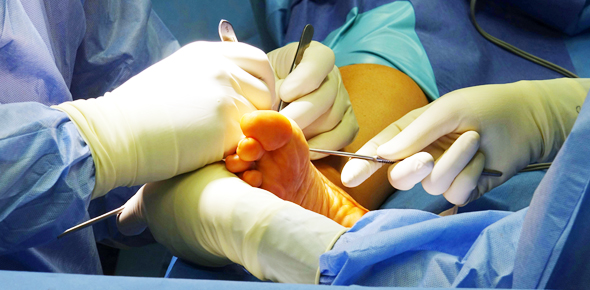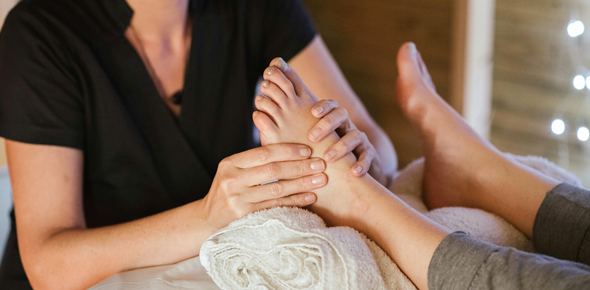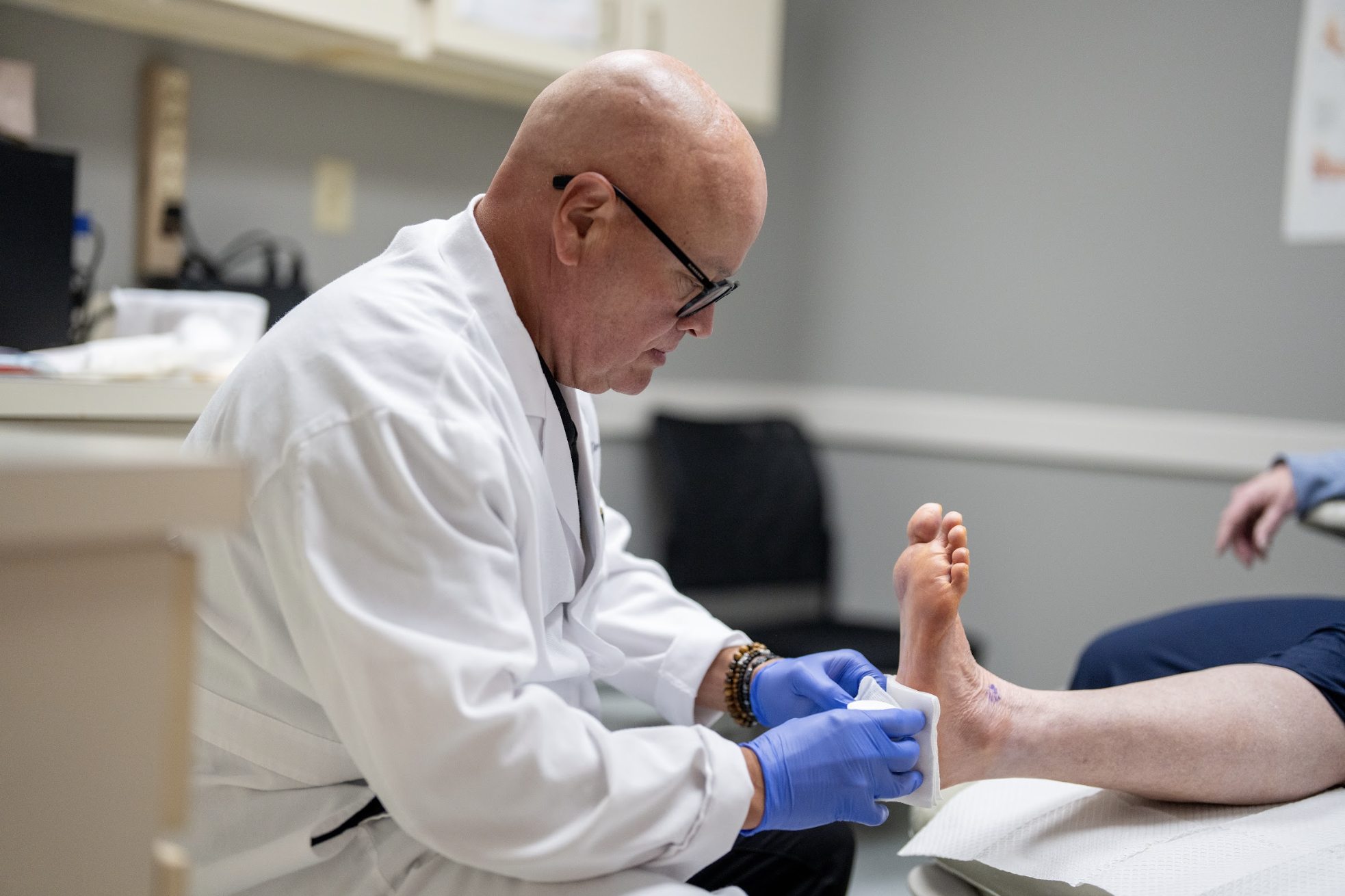
Nerve and soft tissue conditions of the foot and ankle can cause persistent pain, altered sensation, weakness, and functional limitations that significantly affect daily life. Soft tissues—including tendons, ligaments, fascia, and muscles—work together with peripheral nerves to support movement, balance, and shock absorption. According to the American Academy of Orthopaedic Surgeons (AAOS) and the American Orthopaedic Foot & Ankle Society (AOFAS), when these structures become compressed, inflamed, scarred, or damaged, symptoms often progress if not properly addressed. In some cases, surgery becomes an important option to restore function and relieve ongoing pain when conservative care is no longer effective.
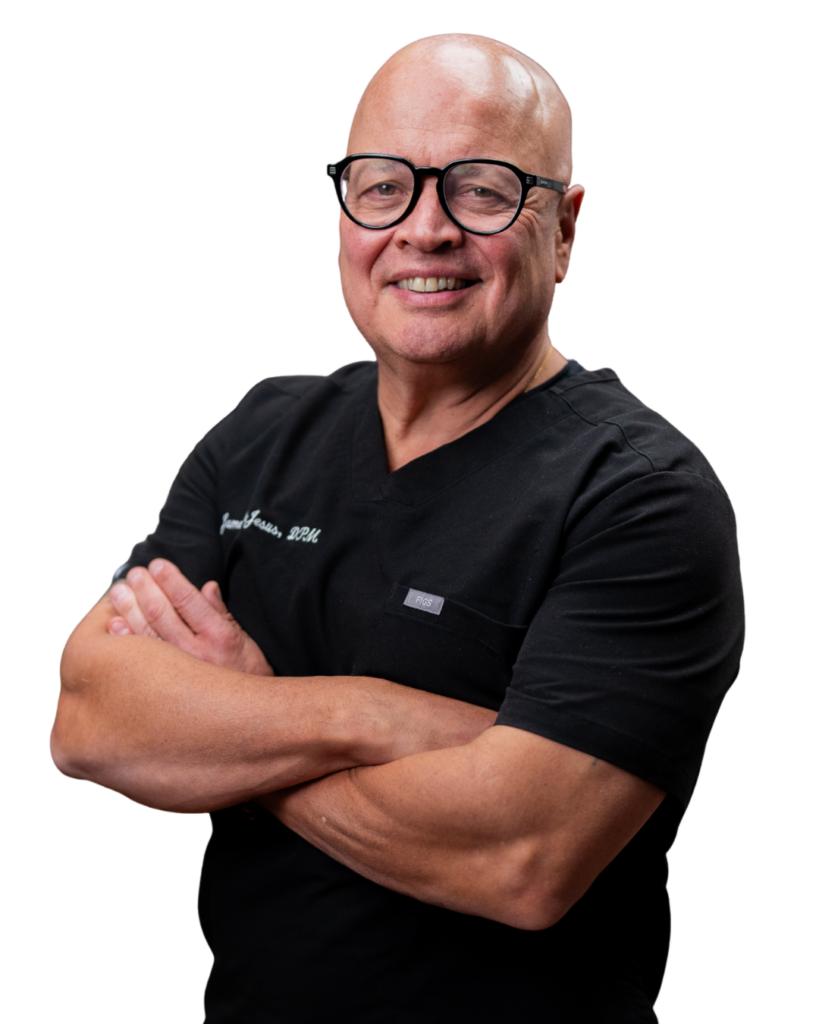
DPM, FACFAS, FACFO
Over 30 years of experience in podiatric surgery, medical education, and clinical leadership
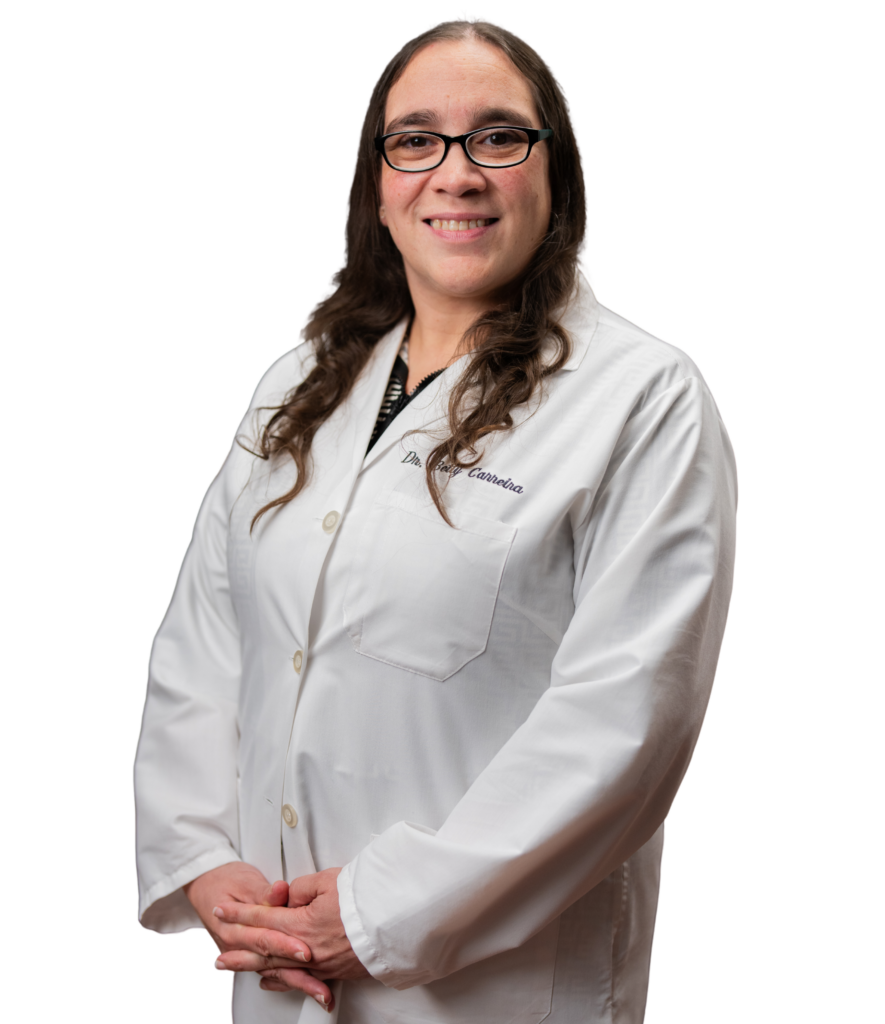
DPM
More than a decade of caring for patients across Connecticut as a board-certified podiatric surgeon
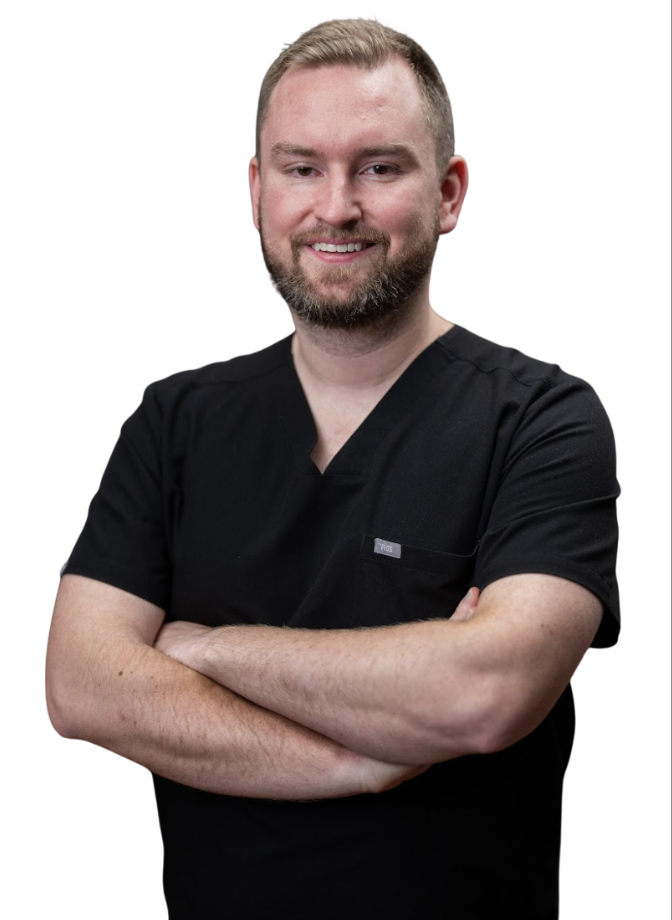
DPM
Up-to-date surgical training with a conservative-first approach, guided by current research
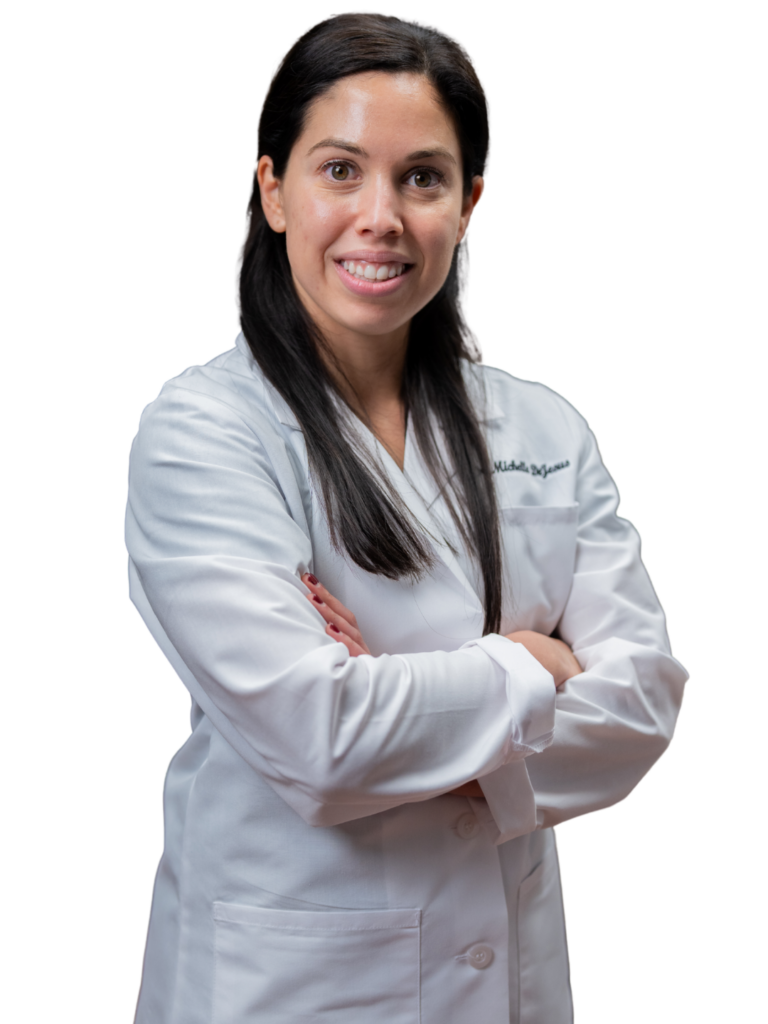
DPM
An exercise science specialist who combines advanced surgical training with genuine empathy
Understanding Nerve and Soft Tissue Conditions
Dr. James M. DeJesus often emphasizes that nerve-related pain and soft tissue dysfunction are frequently misunderstood or misattributed to general foot pain. A precise diagnosis is essential, as treatment outcomes depend heavily on identifying the exact structure involved and the mechanism causing irritation or damage.
Common Reasons for Nerve & Soft Tissue Surgery
Nerve and soft tissue surgery may be recommended for conditions such as nerve entrapments, neuromas, chronic tendon injuries, scar tissue formation, or persistent soft tissue masses. These issues can develop due to repetitive stress, biomechanical abnormalities, trauma, prior surgeries, or chronic inflammation. The AOFAS notes that nerve compression can lead to burning, tingling, numbness, or shooting pain, while soft tissue pathology often causes localized tenderness, swelling, weakness, or loss of motion.
Dr. Austin Davidow highlights that many patients undergoing this type of surgery have already tried conservative options such as orthotics, physical therapy, activity modification, or injections. Surgery is considered when symptoms continue to limit walking, standing, or athletic participation despite appropriate non-surgical care.
Evaluation and Diagnostic Approach
A thorough evaluation is the foundation of successful nerve and soft tissue surgery. This includes a detailed history, physical examination, gait assessment, and careful palpation to identify areas of nerve irritation or soft tissue dysfunction. According to AAOP guidelines, understanding foot mechanics and pressure distribution is crucial, as abnormal loading patterns often contribute to both nerve compression and soft tissue degeneration.
Imaging studies may be used when appropriate to clarify the diagnosis or rule out other causes of pain. Dr. Michelle DeJesus stresses that correlating clinical findings with imaging results is essential, as treatment decisions should be driven by symptoms and functional limitations—not imaging alone.
Surgical Goals and Techniques
The primary goals of nerve and soft tissue surgery are to relieve pain, restore function, and prevent recurrence. Surgical techniques vary depending on the condition and may involve releasing compressed nerves, removing abnormal tissue, repairing damaged tendons, or addressing scar tissue that restricts movement. The AOFAS emphasizes that these procedures are carefully planned to preserve surrounding structures and maintain long-term foot and ankle stability.
Dr. Betty Carreira notes that surgical planning always considers the patient’s activity level, overall health, and biomechanical needs. When necessary, surgery is combined with post-operative rehabilitation and supportive care to optimize healing and functional recovery.
Recovery and Functional Outcomes
Recovery from nerve and soft tissue surgery depends on the specific procedure performed and the individual patient. While healing timelines vary, the overall focus is on gradually restoring mobility, strength, and normal movement patterns. According to the AAOP, appropriate post-operative care and adherence to rehabilitation recommendations play a critical role in long-term success.Dr. James M. DeJesus frequently reassures patients that addressing the underlying cause—rather than just the symptoms—often leads to meaningful and lasting improvement in comfort and quality of life.
Your Plan for an Active Life
1. Schedule an Expert Evaluation Built Around You
We identify the exact nerve or soft tissue structure involved using detailed clinical evaluation and evidence-based principles from the AAOP and AOFAS.
2. A Clear, Personalized Treatment Plan
When surgery is appropriate, your procedure is carefully tailored by Dr. James M. DeJesus, Dr. Austin Davidow, Dr. Michelle DeJesus, or Dr. Betty Carreira, with a focus on safety, function, and long-term results.
3. Guided Recovery and Return to Activity
Post-operative care emphasizes healing, mobility, and a gradual return to daily activities and exercise, helping you regain confidence and comfort with every step.
With expert evaluation and surgical care from our experienced physicians, nerve and soft tissue conditions can be effectively addressed, supporting improved movement, reduced pain, and a more active life.
Why Patients Trust Family FootCare for Nerve & Soft Tissue Surgery?
We combine advanced training, evidence-based decision-making, and a patient-centered approach that makes each person feel understood and supported.
Our CT podiatrists and foot surgeons bring extensive experience in forefoot reconstruction and use modern diagnostic tools to ensure precise evaluation. We don’t rush decisions: every patient receives a thorough explanation of findings, treatment options, and realistic expectations so they can make informed, confident choices about their care.
Related Conditions and Treatments
Nerve and soft tissue surgery is often connected to conditions such as neuromas, tendon injuries, plantar fascia disorders, scar tissue complications, chronic inflammation, and biomechanical abnormalities. Treating these related issues as part of a comprehensive care plan helps reduce recurrence and supports better long-term outcomes.
We provide a full spectrum of treatments tailored to the diverse lifestyles of Southbury, Danbury, and Naugautck, CT residents.
Schedule Your Appointment Today
Whether you need a routine diabetic foot check, orthotics for work, or treatment for an injury, Family Footcare CT is here to help. Contact us!
Call us today to book your visit:
📞 +1 203-405-6501
Frequently Asked Questions (FAQ)
Burning often indicates nerve issues like neuropathy or entrapment (Tarsal Tunnel Syndrome). If you have sudden foot pain without injury that feels electric, see Dr. Austin Davidow for a nerve evaluation.
Yes. Ganglion cysts, lipomas, and fibromas are common lumps. We can often drain or surgically excise these masses in our Danbury office or surgical center, sending them for pathology to ensure they are benign.
Similar to Carpal Tunnel in the wrist, this is compression of the nerve on the inside of the ankle. It causes shooting pain into the arch. Dr. Carreira can perform a surgical release to free the nerve if conservative care fails.
A Morton’s Neuroma is a pinched nerve between the toes. We start with wider shoes and injections. If that fails, surgery to remove the nerve provides permanent relief.
Numbness can be diabetic neuropathy or a pinched nerve. Dr. DeJesus will perform a comprehensive sensory exam. We focus on preventing wounds in numb feet, a critical part of AAOP guidelines.
Nerves are delicate. There is a risk of temporary numbness or sensitivity. However, our surgeons use microsurgical techniques to handle nerves gently and minimize complications.
This is a hard lump in the arch of the foot within the plantar fascia. It can be painful to walk on. Surgery to remove it is effective, though we must ensure the fascia remains functional.
Yes. “Compressive neuropathy” occurs from tight footwear. Simply changing to shoes with a wider toe box can sometimes resolve early nerve pain. We can guide you on how to choose the right shoes.
Yes. Ulcers often result from neuropathy (loss of sensation). We perform soft tissue debridement and use advanced wound care grafts to close these wounds and prevent amputation.
Recovery is faster than bone surgery. You can often walk in a boot immediately. The incision must heal (2 weeks) before returning to normal shoes.