An ingrown toenail can turn every step into a reminder of pain, transforming a simple walk across the room into an agonizing task. When that sharp, throbbing pressure takes hold, it doesn’t just affect your foot—it sidelines your entire day.
Whether it’s a recurring irritation or a sudden, painful infection, ingrown toenails can prevent you from wearing your favorite shoes or staying active. At Family FootCare CT, we understand how much this discomfort impacts your quality of life. Our team is home to the best surgeons in CT, offering gentle, permanent solutions to ensure you never have to “just deal with it” again.
Our highly skilled podiatrists and specialized toe surgeons at our CT Podiatric Clinics at Southbury, Danbury, and Naugatuck provide a compassionate, customized approach to nail health. We prioritize your comfort, using the latest techniques to provide fast relief and prevent future regrowth.

DPM, FACFAS, FACFO
Over 30 years of experience in podiatric surgery, medical education, and clinical leadership

DPM
More than a decade of caring for patients across Connecticut as a board-certified podiatric surgeon

DPM
Up-to-date surgical training with a conservative-first approach, guided by current research

DPM
An exercise science specialist who combines advanced surgical training with genuine empathy
Ingrown Toenails Symptoms
Multiple factors contribute to the development of ingrown toenails. Improper nail trimming is one of the most common causes identified by the AAOS. Tight or ill-fitting shoes, trauma to the toe, repetitive stress from sports, and inherited nail shape all play a role as well.
Common Stages of Ingrown Toenails
- Early Stage (Irritation)
- Inflammatory Stage
- Infection Stage
- Chronic Recurrence
Key Symptoms to Watch For
- Hardened Skin Growth
- Sharp, Piercing Pain
- Visible Redness and Warmth
- Localized Swelling
- Tenderness to Touch
- Drainage or Bleeding
Our Ingrown Toenails Treatment Process
Our approach to ingrown toenails is designed to restore comfort while helping patients return confidently to daily activities.
Step 1: Thorough Evaluation and Accurate Diagnosis
Your care begins with a detailed assessment, identifying the severity of the ingrown nail and contributing factors.
Step 2: Targeted Treatment and Symptom Relief
Guided by AAOS- and AOFAS-supported principles, treatment focuses on reducing pain, controlling inflammation, and promoting healthy nail growth.
Step 3: Prevention and Ongoing Foot Care Guidance
We provide personalized education on nail care, footwear, and pressure management to help prevent recurrence and support long-term foot health.
Take the First Step Toward Comfortable Steps
If you are experiencing persistent toe pain, redness, swelling, or signs of infection, expert care can prevent complications and restore comfort. Schedule an appointment for professional evaluation and treatment of ingrown toenails, as well as CT foot surgery and CT Ankle Surgery
Contact our office today and take the next step toward healthier nails, improved mobility, and an active, pain-free life.
Frequently Asked Questions Regarding Ingrown Toenails
An ingrown toenail typically causes redness, swelling, and pain along the side of the nail. You may notice increased sensitivity to pressure, especially when wearing shoes. If the ingrown toenail becomes infected, it may produce drainage, pus, or a foul odor, and the skin around the nail may grow over the edge of the nail plate.
Several factors contribute to an ingrown toenail, with improper trimming being the most common cause. Cutting the nail too short or tapering the corners allows the skin to fold over the nail. Other causes include wearing tight-fitting footwear that crowds the toes, sustaining a stubbing injury to the toe, or having a natural genetic shape where the nail is excessively curved.
Minor cases of an ingrown toenail may respond to warm salt water soaks and wearing open-toed shoes to reduce pressure. However, you should never attempt “bathroom surgery” by trying to cut out the ingrown portion yourself, as this significantly increases the risk of a serious infection and often makes the problem worse.
You should seek professional care for an ingrown toenail if the pain is persistent, if there are visible signs of infection like pus or spreading redness, or if you have a medical condition like diabetes or poor circulation. Dr. DeJesus, Dr. Carreira, and Dr. Davidow recommend early evaluation to prevent the ingrown toenail from progressing into a deeper abscess or bone infection.
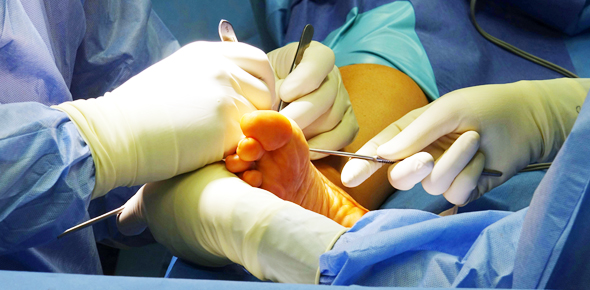
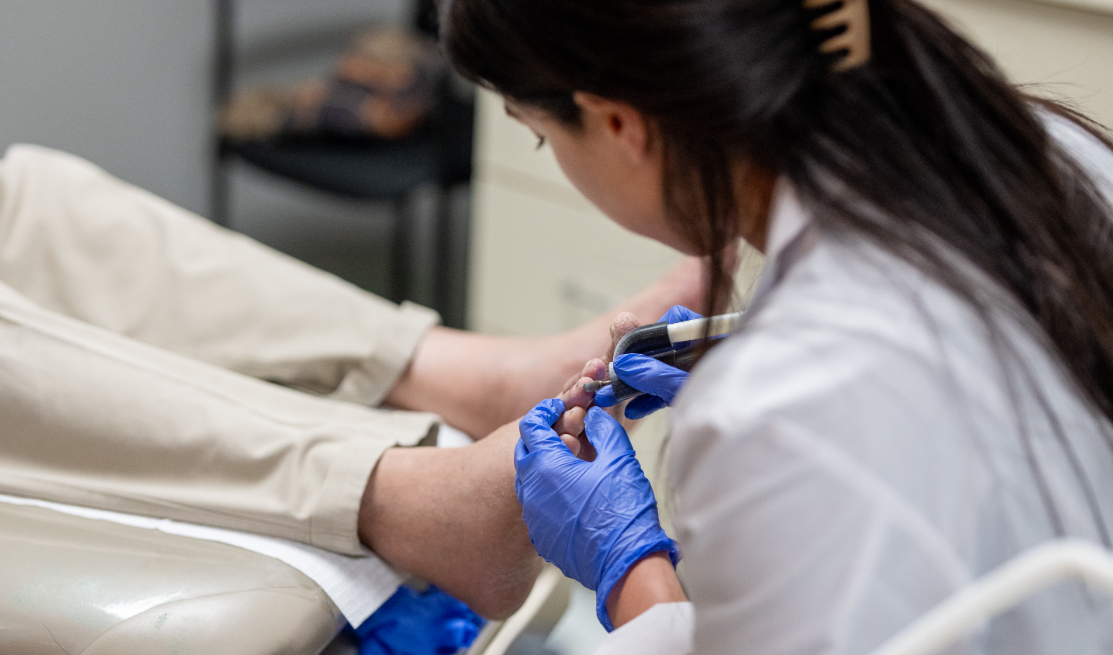
To treat an ingrown toenail, our surgeons typically perform a simple in-office procedure. After numbing the toe with a local anesthetic, the offending edge of the ingrown toenail is gently removed. This provides immediate relief from the pressure and allows the inflamed skin to heal.
If you suffer from a chronic or recurring ingrown toenail, a procedure called a matrixectomy may be recommended. During this process, the doctor removes the ingrown edge and applies a specialized chemical to the nail root. This prevents that specific section of the ingrown toenail from growing back, providing a long-term solution.
Recovery from an ingrown toenail procedure is usually very quick. Most patients experience immediate pain relief and can return to normal activities or work the next day. You will typically need to perform simple soaking and bandage changes for a few days to ensure the site of the former ingrown toenail remains clean and heals properly.
The best way to prevent an ingrown toenail is to cut your nails straight across rather than rounding the corners. Additionally, ensure your shoes have a wide enough toe box so they do not pinch the toes, and address any underlying fungal infections that may be causing the ingrown toenail to thicken or curve.