Understanding Tarsal Tunnel Syndrome and Why Surgery May Be Needed
Tarsal tunnel syndrome occurs when the posterior tibial nerve—or one of its branches—is compressed inside the tarsal tunnel, a narrow anatomical passage along the inner ankle. This compression can produce burning, tingling, numbness, electric-shock sensations, and radiating pain into the arch or toes. When the nerve is chronically irritated, the surrounding tissue may become inflamed and fibrotic, increasing the severity and frequency of symptoms.
While many patients improve with rest, orthotics, immobilization, physical therapy, and targeted injections, others continue to experience persistent nerve pain that disrupts daily activities, walking, and sleep. In such cases, Tarsal Tunnel Decompression becomes a highly effective option. According to clinical guidance commonly referenced by the American Orthopaedic Foot & Ankle Society (AOFAS), surgical decompression is appropriate when imaging or exam findings confirm compression and conservative management is no longer sufficient. At our clinics in Danbury, Southbury, and Naugatuck, Our podiatricians Dr. James DeJesus, Dr. Carreira,Dr. Michelle DeJesus andDr. Davidow perform this procedure using carefully refined techniques that prioritize nerve preservation and long-term relief.

DPM, FACFAS, FACFO
Over 30 years of experience in podiatric surgery, medical education, and clinical leadership

DPM
More than a decade of caring for patients across Connecticut as a board-certified podiatric surgeon

DPM
Up-to-date surgical training with a conservative-first approach, guided by current research

DPM
An exercise science specialist who combines advanced surgical training with genuine empathy
When Tarsal Tunnel Decompression May Be Recommended
Persistent Nerve Pain Despite Comprehensive Conservative Care
If symptoms such as burning pain, tingling, or numbness continue after immobilization, orthotics, anti-inflammatory therapy, and activity modification, it may indicate structural entrapment that requires surgical release to resolve.
Electrodiagnostic or Imaging Findings Showing Compression
Nerve conduction studies, ultrasound, and MRI can reveal enlargement, inflammation, or entrapment of the posterior tibial nerve or its branches. These findings strengthen the case for decompression when symptoms match the anatomical pattern.
Progressive Weakness or Sensory Changes
Loss of sensation, muscle weakness, or difficulty tolerating weight-bearing can signal worsening nerve impairment. Early intervention helps prevent long-term dysfunction.
Symptoms That Interfere With Walking, Work, and Sleep
Patients often report burning pain that worsens with standing or prolonged walking. When these symptoms disrupt mobility, limit activity, or reduce quality of life, decompression becomes a practical and evidence-supported option.
How Tarsal Tunnel Decompression Works
Precise Surgical Release to Relieve Nerve Pressure
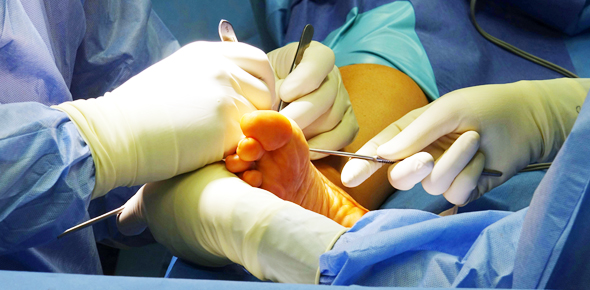
The goal of the surgery is to release the flexor retinaculum and surrounding structures that are compressing the nerve. By freeing the nerve along its full course within the tunnel—and addressing any additional points of entrapment—surgeons reduce inflammation, restore nerve glide, and allow healing.
Modern, Anatomically Guided Technique
The procedure is performed through a carefully planned incision along the inner ankle. Our CT Podiatrists use meticulous dissection to identify all nerve branches, remove sources of compression, and ensure a complete yet gentle decompression. Their approach reflects principles widely discussed in foot and ankle surgical literature, which emphasize full visualization of the nerve to minimize recurrence.
Designed for Long-Term Relief
When appropriately indicated, tarsal tunnel decompression provides durable improvement in nerve-related foot and ankle pain. Although full nerve recovery can take weeks to months, patients often notice a reduction in burning and tingling early in the healing period.
Recovery and Expected Outcomes
- Healing Timeline: Most patients begin walking with protective support shortly after surgery, progressing gradually as swelling decreases. Nerve healing occurs slowly, meaning improvements may continue for several months as inflammation subsides and normal nerve signaling is restored.
- Functional Recovery and Comfort: Patients typically regain improved sensation, stability, and gait mechanics. Burning pain, nighttime symptoms, and activity-related discomfort often diminish significantly as the nerve recovers.
- Long-Term Prognosis: When surgery is recommended based on strong clinical evidence—persistent symptoms, exam findings, and diagnostic confirmation—outcomes are highly favorable. Your doctor will monitor your progress closely and guide your return to full activity.
Common Causes of Tarsal Tunnel Syndrome
- Structural Foot Conditions: Flatfoot deformity, pronation, or biomechanical instability can increase tension on the nerve.
- Trauma or Repetitive Strain: Ankle sprains, overuse, and occupational stress can inflame tissues surrounding the nerve.
- Space-Occupying Lesions: Varicose veins, cysts, lipomas, or scar tissue can narrow the tunnel and compress the nerve.
- Systemic or Inflammatory Factors: Conditions like diabetes, arthritis, or swelling disorders can also contribute to nerve irritation.
Your Plan for an Active Life
1. Schedule an Expert Evaluation Built Around You
We examine the structure of your foot, your gait mechanics, X-ray findings, and your symptoms to understand the root cause. Your doctor will explain which type of surgery best fits your goals.
2. A Personalized, Evidence-Based Treatment Strategy
Your surgeon will walk you through your diagnosis, conservative options still available, and whether decompression aligns with clinical best practices for your condition. You’ll know exactly why the procedure is recommended and how it can resolve your nerve pain long-term.
3. A Roadmap Back to Comfortable Movement
We support you through each stage of recovery—from wound care to progressive weight-bearing to targeted rehabilitation. Our goal is to restore sensation, reduce pain, and help you return to work, exercise, and daily life without fear of recurring nerve symptoms.
Why CT Patients Trust Family FootCare, PC?
Patients choose Family FootCare because we combine advanced training, evidence-based decision-making, and a patient-centered approach that makes each person feel understood and supported. Our CT foot and ankle doctors bring extensive experience in forefoot reconstruction and use modern diagnostic tools to ensure precise evaluation. We don’t rush decisions: every patient receives a thorough explanation of findings, treatment options, and realistic expectations so they can make informed, confident choices about their care.
Related Conditions and Treatments
We provide a full spectrum of treatments tailored to the diverse lifestyles of Southbury, Naugatuck, and Danbury, CT residents.
Schedule Your Appointment Today
If pain is limiting your life, you don’t have to keep pushing through it. Our team will help you understand the cause of your symptoms and whether surgical correction may offer long-term relief. Schedule a consultation to begin your path toward comfortable, confident movement.
Whether you need a routine diabetic foot check, orthotics for work, or treatment for an injury, Family Footcare CT is here to help. Contact us!
Call us today to book your visit:
📞 +1 203-405-6501
Frequently Asked Questions (FAQ)
It is similar to Carpal Tunnel Syndrome in the wrist, but occurs in the ankle. The tibial nerve gets compressed as it passes through the tarsal tunnel on the inside of the ankle.
Tarsal Tunnel Syndrome is frequently misdiagnosed as plantar fasciitis or tendonitis. If your “tendonitis” isn’t getting better, see Dr. James M. DeJesus in Danbury for a neurological assessment.
Ankle pain relief creams recommended by doctors (like lidocaine) provide only temporary surface relief. The compression must be physically released, often requiring surgery.
Dr. Austin Davidow makes an incision behind the ankle bone to cut the laciniate ligament, relieving pressure on the tibial nerve. It is a delicate procedure requiring advanced anatomical knowledge.
Typically, the Tarsal Tunnel causes pain on the bottom of the foot or inside of the ankle. Top-of-foot nerve pain is usually the peroneal nerve (Anterior Tarsal Tunnel). We treat both varieties in Southbury.
Nerve pain can be nauseatingly intense. Furthermore, scar tissue from an old sprain can cause Tarsal Tunnel Syndrome years later by compressing the nerve.
After the nerve is decompressed, nerve gliding exercises are prescribed to keep the nerve moving freely. Our Naugatuck team coordinates this specialized therapy.
It is a test where Dr. Betty M. Carreira lightly taps over the nerve. If you feel a “zing” or electric shock in the foot, it is a positive sign for the Tarsal Tunnel.
Nerves heal slowly (about 1mm per day). While the compression is gone immediately, full symptom resolution can take months, depending on how long the nerve was crushed.
Yes. Shoes that prevent over-pronation (rolling in) help because collapsing arches stretch the tibial nerve. We can recommend specific footwear brands available locally.