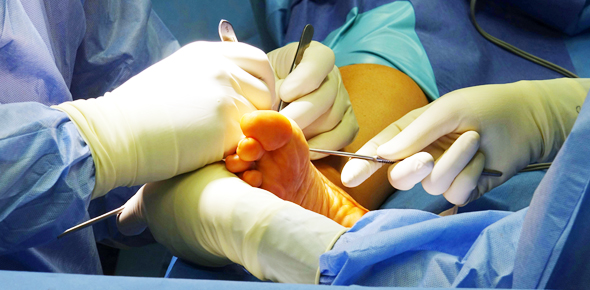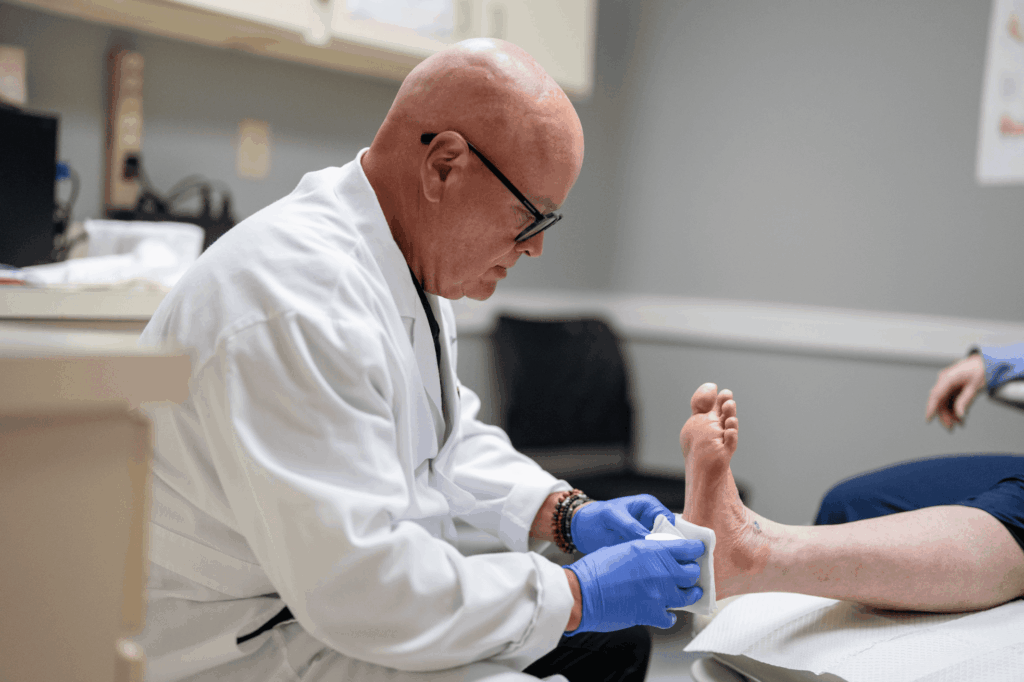
Foreign body injuries of the foot and ankle—such as splinters, glass fragments, metal shards, or other embedded materials—are more serious than they often appear. Because the foot bears weight and is exposed to repeated pressure, even small retained objects can cause persistent pain, inflammation, infection, and impaired mobility.
Prompt evaluation and proper removal are critical to prevent complications.
At our practice, these injuries are carefully evaluated and treated by our CT Podiatric doctors, who bring extensive experience in both conservative and procedural foot and ankle care.
Our Foot & Ankle Surgeons

DPM, FACFAS, FACFO
Over 30 years of experience in podiatric surgery, medical education, and clinical leadership

DPM
More than a decade of caring for patients across Connecticut as a board-certified podiatric surgeon

DPM
Up-to-date surgical training with a conservative-first approach, guided by current research

DPM
An exercise science specialist who combines advanced surgical training with genuine empathy
Common Types of Foreign Body Injuries
Foreign bodies may enter the foot through puncture wounds, barefoot walking, workplace accidents, or sports-related trauma. While some objects are immediately painful, others may initially go unnoticed and only present later with swelling, redness, drainage, or difficulty walking. According to the American Academy of Orthopaedic Surgeons (AAOS), delayed treatment increases the risk of soft tissue damage, abscess formation, and chronic pain, particularly when foreign material remains embedded beneath the skin.
- Splinters from wood or plant material are among the most common foreign bodies seen in the foot, but they can be difficult to detect and may provoke significant inflammatory reactions.
- Glass fragments are particularly concerning because they can migrate deeper into soft tissue and may not be visible externally.
- Metal fragments and sharp debris can cause localized trauma and raise the risk of infection if not properly removed. The AOFAS notes that weight-bearing areas of the foot are especially vulnerable to ongoing irritation when foreign bodies are retained.
Our doctors frequently evaluate patients who initially attempted self-removal but continued to experience pain or swelling. In these cases, professional assessment is essential to ensure complete removal and prevent secondary complications.
Symptoms and Risks of Retained Foreign Bodies
Symptoms may include localized pain, tenderness, swelling, redness, warmth, or drainage from the wound site. Some patients experience sharp pain with walking or standing, while others notice a persistent “pressure” sensation. Over time, untreated foreign bodies can lead to infection, granuloma formation, or chronic soft tissue irritation.
Individuals with diabetes, circulatory issues, or reduced sensation in the feet are at higher risk for serious complications, making early medical care especially important.
Thorough evaluation for patients with ongoing symptoms, even when the initial injury seemed minor. Diagnostic imaging or targeted examination may be necessary to locate the foreign object and guide treatment accurately.
Diagnosis and Medical Management

Accurate diagnosis is the foundation of effective treatment. Clinical examination is often combined with imaging when the foreign body is not visible or palpable.
Using appropriate diagnostic tools to minimize tissue damage during removal and ensure complete extraction, and proper wound care following removal is equally important to reduce infection risk and promote healing.
Foreign Body Prevention and Long-Term Foot Health
Preventing recurrent foreign body injuries involves more than immediate treatment. Footwear choices, work environment, and activity habits all play a role. The importance of protective footwear and routine foot inspection, particularly for individuals who are active, work in high-risk environments, or have reduced sensation in the feet.
Our team educates patients on preventive strategies while addressing any biomechanical or skin-related factors that may increase vulnerability to injury. This comprehensive approach aligns with AOFAS principles focused on long-term foot function and safety.
Plan to an Active Life
Our care extends beyond removing the foreign body—we focus on helping patients safely return to daily activities.
- Precise Evaluation and Safe Removal: Your care begins with a detailed assessment at our Danbury, Southbury, or Naugatuck office, ensuring accurate localization and complete removal of the foreign object.
- Healing, Protection, and Infection Prevention: Following AAOS and AOFAS-supported protocols, we guide wound care, monitor healing, and address risk factors that could delay recovery.
- Prevention and Confident Return to Activity: We provide personalized guidance on footwear, activity modification, and foot care to reduce recurrence and support long-term mobility.
Take the First Step Toward Comfortable Steps
If you suspect a splinter, glass fragment, or other foreign body in your foot or ankle—or if pain persists after an injury—do not delay professional care. Contact our office today and take the first step toward safe healing and an active, pain-free life.
Call us today to book your visit:
📞 +1 203-405-6501
Frequently Asked Questions (FAQ) regarding Foreign Body Removal
You should seek professional help if the object is deeply embedded, the area shows signs of infection (redness, warmth, pus), or if you cannot safely remove it yourself. Leaving a foreign body can lead to painful abscesses or systemic infection.
Yes, podiatrists are specialists in removing foreign objects like metal, glass, or wood from the feet. We use local anesthesia and precision tools to ensure the object is fully removed with minimal discomfort and risk of infection.
A piece of glass left in the foot can cause a “foreign body granuloma,” a painful lump of inflamed tissue. It may also migrate deeper into the tissue, potentially damaging nerves or tendons and causing chronic pain.
Most insurance plans in Connecticut cover the professional removal of foreign bodies from the foot, as it is considered a medically necessary procedure to prevent infection. Our office can verify your specific coverage.
Signs of infection include increasing pain, swelling, red streaks extending from the wound, or a fever. If you notice these symptoms after stepping on an object, seek medical attention in CT immediately.