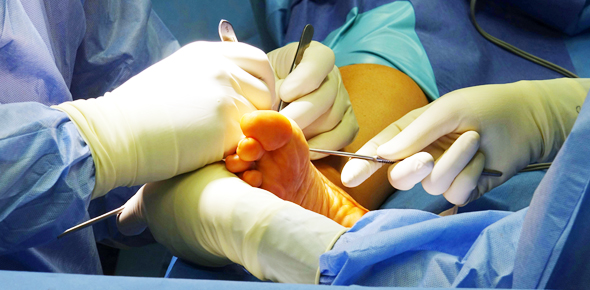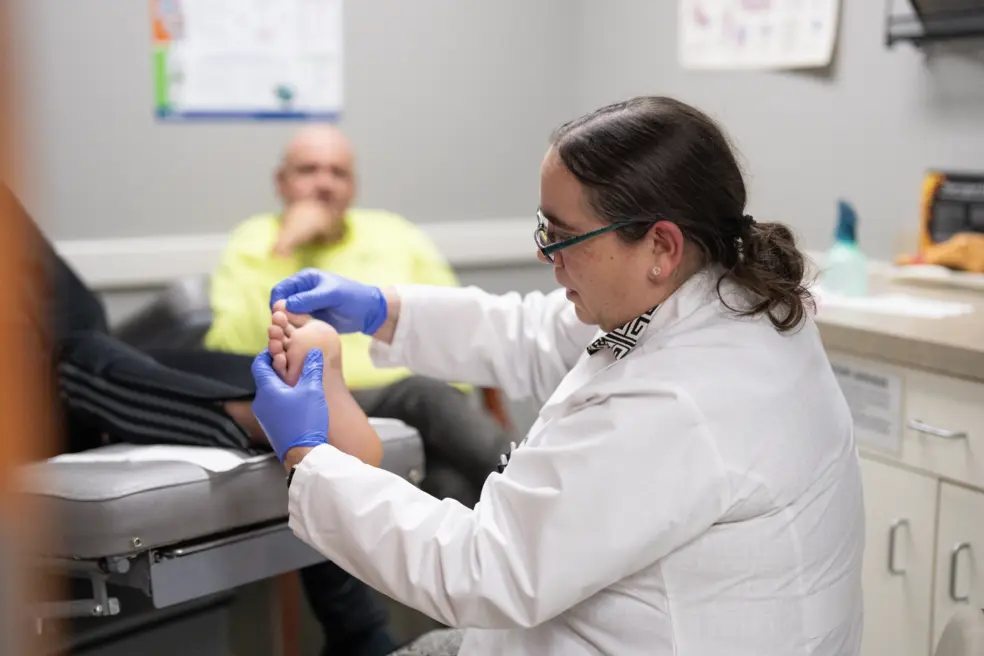
The forefoot plays a critical role in balance, propulsion, and weight distribution during walking and standing. It includes the metatarsal bones, toes, joints, ligaments, tendons, and surrounding soft tissues that absorb pressure and help move the body forward. When injury, deformity, or degeneration affects this area, even simple activities like walking, wearing shoes, or standing for extended periods can become painful and limiting, requiring a Forefoot Surgery.
According to the American Academy of Orthopaedic Surgeons (AAOS), forefoot problems are a common cause of chronic foot pain and mobility loss, particularly when structural changes interfere with normal biomechanics. At our Podiatric clinic, our CT podiatrists provide comprehensive forefoot evaluation and surgical care at our Danbury, Southbury, and Naugatuck locations, helping patients regain comfort, alignment, and confidence with movement.

DPM, FACFAS, FACFO
Over 30 years of experience in podiatric surgery, medical education, and clinical leadership
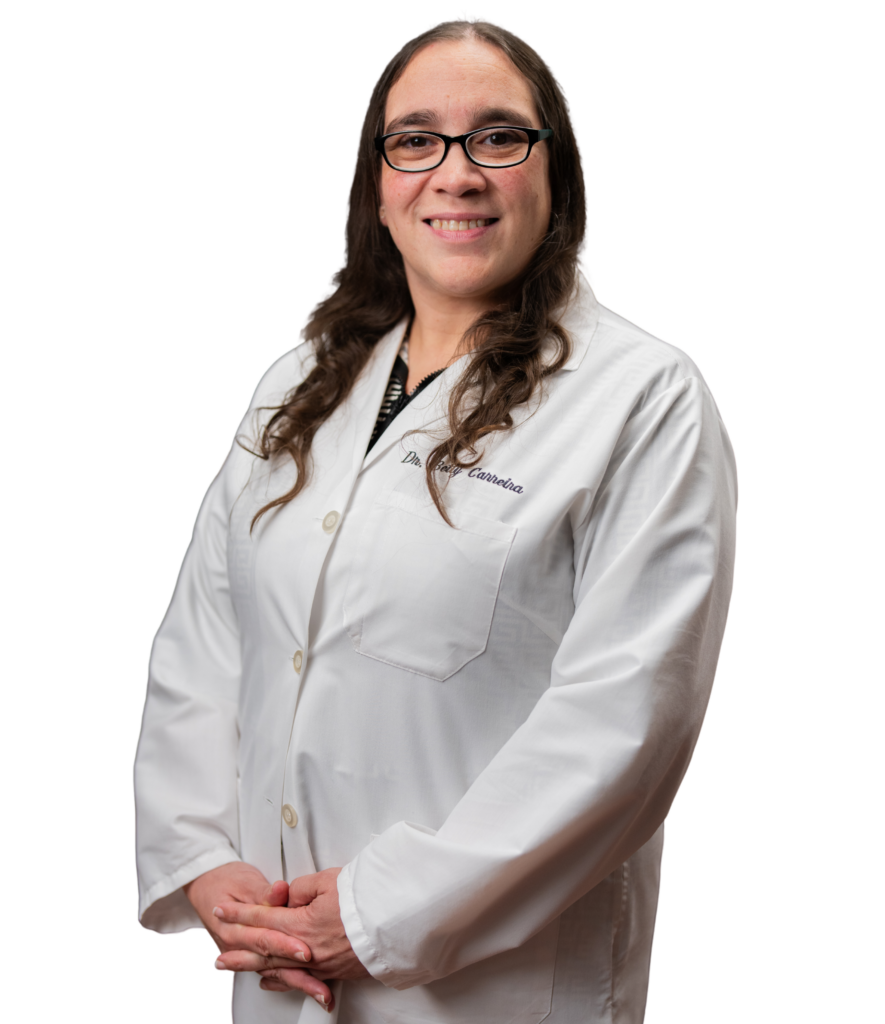
DPM
More than a decade of caring for patients across Connecticut as a board-certified podiatric surgeon
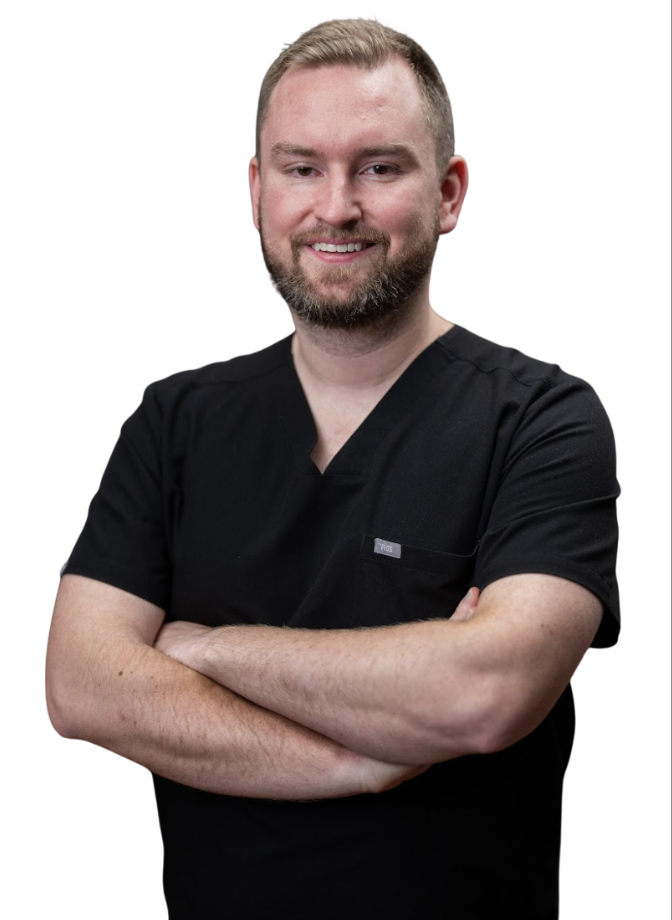
DPM
Up-to-date surgical training with a conservative-first approach, guided by current research

DPM
An exercise science specialist who combines advanced surgical training with genuine empathy
Common Causes of Forefoot Pain and Dysfunction
Structural Deformities
Conditions such as bunions and hammertoes alter the alignment of bones and joints, increasing pressure on specific areas of the foot. The American Orthopaedic Foot & Ankle Society (AOFAS) notes that these deformities often progress over time and may eventually require surgical correction when conservative care no longer relieves symptoms.
Traumatic Injuries
Fractures and dislocations of the forefoot can occur from falls, sports injuries, workplace accidents, or direct impact. These injuries may disrupt joint alignment, compromise stability, and interfere with normal weight-bearing if not properly treated.
Repetitive Stress and Overload
Prolonged standing, improper footwear, and altered gait mechanics can overload the forefoot, leading to stress fractures, joint irritation, and soft tissue damage.
When Forefoot Surgery May Be Recommended
Not all forefoot conditions require surgery. Many patients improve with shoe modifications, orthotics, activity changes, or physical therapy. Surgery is generally considered when pain, deformity, or instability persists despite appropriate conservative treatment.
Ongoing Pain That Limits Daily Activity
AAOS guidance indicates that surgery may be appropriate when forefoot pain interferes with walking, work, or basic daily routines.
Progressive Deformity or Joint Instability
According to AOFAS, worsening alignment problems can increase pressure on joints and soft tissues, leading to secondary pain and functional decline.
Fractures or Dislocations That Cannot Heal Properly
Displaced fractures or unstable dislocations may require surgical repair to restore anatomy and protect long-term foot mechanics.
Forefoot Surgical Procedures We Provide
Forefoot surgery encompasses a range of procedures designed to correct alignment, stabilize joints, and restore function.
- Bunion Surgery (All Types, Including Bunionectomy or lapiplasty): Bunion surgery addresses painful enlargement and misalignment of the big toe joint. Procedures may involve bone realignment, joint correction, or soft tissue balancing to relieve pain and improve foot mechanics.
- Hammer Toe Correction Surgery: Hammer toe surgery straightens toes that have become bent or rigid, reducing pressure points and improving shoe comfort. AOFAS resources emphasize early correction to prevent joint stiffness and skin breakdown.
- Forefoot Fracture Repair (Metatarsals, etc.): Metatarsal fractures may require surgical fixation when bones are displaced or unstable. According to AAOS principles, restoring alignment is essential for even weight distribution during walking.
- Broken & Fractured Toe Surgery: Toe fractures sometimes require surgery to correct rotation, displacement, or joint involvement that could impair balance or footwear tolerance.
- Dislocated Foot Treatment: Midfoot or forefoot dislocations are serious injuries that may require surgical stabilization to protect joint alignment and prevent long-term dysfunction.
- Dislocated Toe Treatment: Dislocated toes may need surgical correction when closed reduction fails or when joint structures are damaged, helping restore alignment and function.
How Forefoot Surgery Works
Surgical techniques are selected based on the condition being treated, bone quality, and patient activity level.
- Structural Realignment: Bones may be repositioned to restore normal anatomy and reduce abnormal pressure across joints.
- Joint Stabilization or Repair: Ligaments, tendons, or joint capsules may be repaired or stabilized to support long-term correction.
- Preservation of Function: Modern forefoot surgery emphasizes maintaining mobility while relieving pain, consistent with AAOS and AOFAS surgical principles.
Recovery After Forefoot Surgery
Recovery varies depending on the procedure and the structures involved.
Protected Weight-Bearing
Many procedures require temporary offloading or specialized footwear to protect healing bones and joints.
Gradual Return to Activity
Physical therapy and guided rehabilitation help restore strength, balance, and gait mechanics.
Long-Term Foot Support
Footwear guidance and orthotics may help maintain correction and reduce recurrence risk.
Your Plan for an Active Life
1. A Comprehensive Forefoot Evaluation
Your care begins with a detailed exam of foot structure, gait mechanics, and imaging findings. Dr. DeJesus, Dr. Carreira, or Dr. Davidow identifies the root cause of pain rather than focusing on symptoms alone.
2. A Clear, Personalized Surgical Strategy
If surgery is recommended, your doctor explains the procedure, expected recovery, and long-term goals in clear, supportive language. Every plan is tailored to your lifestyle and activity needs.
3. A Structured Path Back to Comfortable Movement
From early protection through rehabilitation, we guide you through each stage of recovery with consistency and clarity, supporting safe healing and improved mobility.
Why Trust Family FootCare CT to do my Forefoot Surgery?
Patients choose Family FootCare because we combine advanced training, evidence-based decision-making, and a patient-centered approach that makes each person feel understood and supported. Our doctors bring extensive experience in forefoot reconstruction and use modern diagnostic tools to ensure precise evaluation. We don’t rush decisions: every patient receives a thorough explanation of findings, treatment options, and realistic expectations so they can make informed, confident choices about their care.
Schedule Your Forefoot Surgery Evaluation Today
If bunion pain is limiting your life, you don’t have to keep pushing through it. Our team will help you understand the cause of your symptoms and whether surgical correction may offer long-term relief. Schedule a consultation to begin your path toward comfortable, confident movement.
Whether you need a routine diabetic foot check, orthotics for work, or treatment for an injury, Family Footcare CT is here to help. Contact us!
Call us today to book your visit:
📞 +1 203-405-6501
Frequently Asked Questions (FAQ) about Forefoot Surgery
If you are suffering from bunions or hammertoes, our team at Connecticut Podiatry Center (serving Danbury, Southbury, Naugatuck) is highly experienced in corrective osteotomies. Dr. James M. DeJesus is a Fellow of the American College of Foot and Ankle Surgeons (FACFAS), ensuring top-tier surgical care.
While you can find top-rated foot orthotics online, they are not corrected for your specific forefoot deformities. Custom orthotics prescribed by Dr. Carreira can offload pressure from bunions and hammertoes, potentially delaying or preventing the need for surgery.
Be careful with deep-tissue massagers if you have structural deformities like bunions, as they can aggravate the bursa. We recommend consulting Dr. Davidow first. For general relief, a roller that stretches the arch is safer than aggressive impact massagers.
Modern techniques often allow for faster weight-bearing, but full bone healing takes 6-8 weeks. We strive to get you back into normal shoes as quickly as possible while adhering to AAOS safety guidelines to prevent recurrence.
Rigid hammertoes usually require surgery to straighten the toe. Flexible hammertoes can sometimes be managed with splints and wider shoes. If you have toe pain rubbing against your shoes, visit our CT clinic to discuss your options.
Pain on the top of the foot can be caused by arthritis in the midfoot/forefoot joints or nerve entrapment. It is also a symptom of stress fractures. Our diagnostic process distinguishes between bone and nerve issues to provide the right treatment.
Recurrence is possible but rare with proper surgical selection. We perform procedures that address the root deformity (the bone angle), not just the “bump.” This aligns with AOFAS recommendations for long-term success.
Yes. We take precise molds of your feet at our Danbury, Southbury, and Naugatuck locations. These are far superior to store-bought inserts for managing forefoot pressure and metatarsalgia (ball of foot pain).
A Morton’s Neuroma is a thickened nerve tissue between the toes causing burning or tingling. If injections and orthotics fail, Dr. DeJesus can perform a simple nerve decompression or excision surgery to permanently relieve the pain.
We utilize advanced pain management protocols, including long-acting local anesthetics, to keep you comfortable post-surgery. Most patients report that the relief from chronic bunion or hammertoe pain outweighs the temporary surgical discomfort.