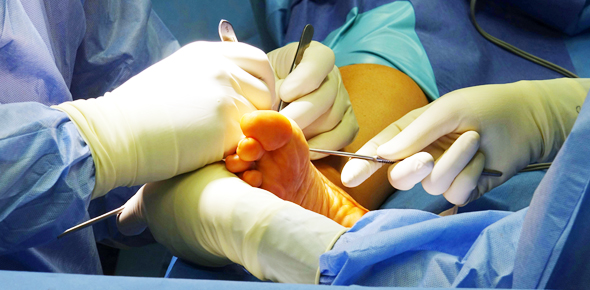
The foot is a highly complex structure, made up of dozens of bones, joints, tendons, ligaments, and nerves that work together to support balance, absorb impact, and propel the body forward. When injury, deformity, degeneration, or nerve compression disrupts this system, pain and instability can quickly affect every aspect of daily life. Many patients find themselves limiting activity, changing how they walk, or avoiding things they enjoy simply to manage discomfort.
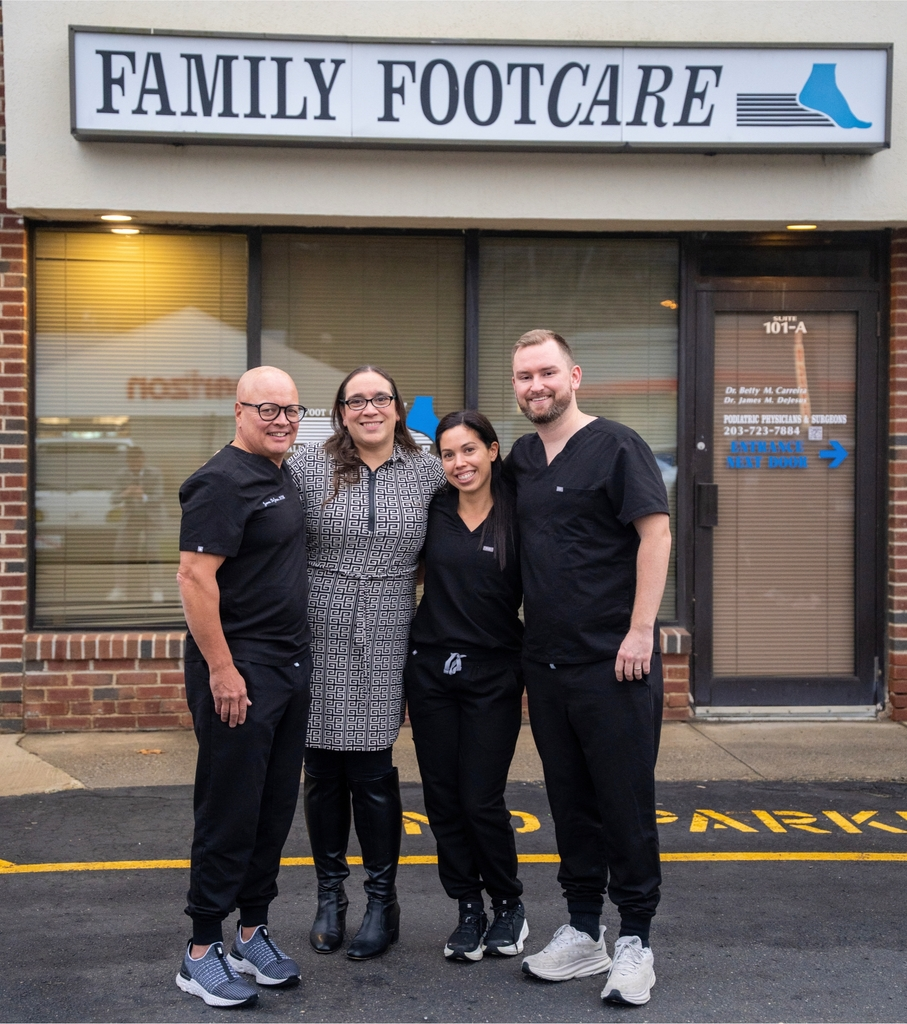
At Family FootCare, PC foot surgery is approached with careful diagnosis, technical precision, and a strong emphasis on long-term function. Our team provide advanced foot surgical care across our Danbury, Southbury, and Naugatuck, Connecticut locations. Our team combines decades of clinical experience with evidence-based techniques to help patients regain comfort, stability, and confidence.
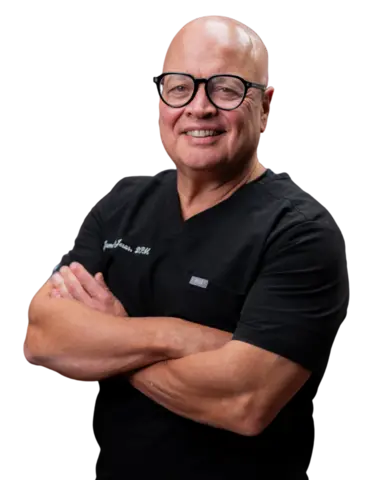
DPM, FACFAS, FACFO
Over 30 years of experience in podiatric surgery, medical education, and clinical leadership
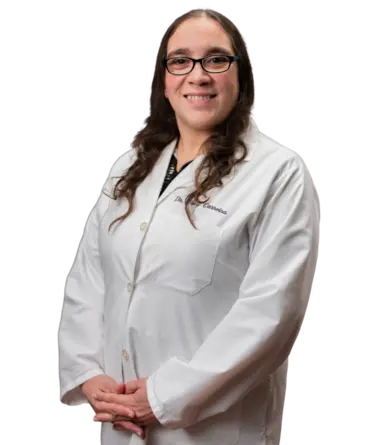
DPM
More than a decade of caring for patients across Connecticut as a board-certified podiatric surgeon
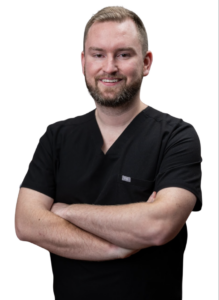
DPM
Up-to-date surgical training with a conservative-first approach, guided by current research

DPM
An exercise science specialist who combines advanced surgical training with genuine empathy
When Foot Surgery May Be Considered
Foot surgery is not the first step for most conditions, and conservative care is always considered when appropriate. However, according to educational standards referenced by the American Orthopaedic Foot & Ankle Society (AOFAS), surgery becomes an important option when structural problems prevent the foot from functioning normally or when non-surgical treatment no longer provides adequate relief.
The American Academy of Orthopaedic Surgeons (AAOS) emphasizes that successful outcomes depend on accurate diagnosis, proper procedure selection, and a recovery plan that protects healing tissues while restoring strength and mobility. At Family FootCare, imaging, biomechanical assessment, and patient goals are all integrated into the surgical decision-making process.
Conditions Treated Through Foot Surgery
Foot surgery encompasses a wide range of procedures designed to address pain, deformity, trauma, and nerve-related conditions. Rather than offering one-size-fits-all solutions, our surgeons tailor treatment to the specific structures involved and the demands placed on your feet.
Forefoot Surgery
The forefoot plays a critical role in balance and push-off during walking. Conditions such as bunions, hammertoes, forefoot fractures, and toe dislocations can alter alignment and increase pressure across the joints. AOFAS guidance explains that surgical correction may be recommended when deformity progresses or pain interferes with daily activities.
Ingrown Toenail Surgery
Chronic or infected ingrown toenails can cause persistent pain, swelling, and difficulty wearing shoes. When conservative treatment fails, surgical management may help prevent recurrence and reduce infection risk. Dr. Carreira notes that proper nail correction focuses on long-term comfort while preserving healthy surrounding tissue.
Midfoot & Hindfoot Surgery
The midfoot and hindfoot are essential for arch stability and shock absorption. Conditions such as adult-acquired flatfoot, midfoot arthritis, or hindfoot deformity can lead to progressive collapse and altered gait. According to AOFAS literature, surgical reconstruction or fusion may help restore alignment and reduce pain when instability or arthritis advances.
Foot Fracture & Trauma Surgery
Foot fractures and traumatic injuries may involve the metatarsals, midfoot joints, or hindfoot bones. AAOP-referenced orthopedic principles stress the importance of restoring alignment and joint congruity to reduce the risk of chronic pain and arthritis. Dr. DeJesus emphasizes that timely surgical stabilization can protect long-term foot mechanics and mobility.
Foot Arthritis & Reconstructive Surgery
Arthritis in the foot can result from prior injury, overuse, or inflammatory conditions, leading to stiffness, swelling, and pain with weight-bearing. AOFAS resources describe surgical reconstruction or fusion as options when joint degeneration limits function and conservative care is no longer effective. Procedure selection depends on joint involvement, alignment, and patient activity goals.
Nerve & Soft Tissue Surgery
Nerve compression and soft tissue disorders, such as neuromas or tendon pathology, can cause burning pain, numbness, or weakness. Surgical decompression or excision may be considered when symptoms persist despite non-operative treatment. Dr. Davidow highlights that relieving pressure on nerves and restoring soft-tissue balance can significantly improve comfort and gait.
Your Plan for an Active Life
1. Schedule Your Detailed Foot Evaluation
Your care begins with a comprehensive assessment of foot structure, alignment, motion, and gait mechanics. Digital X-rays and other imaging help identify fractures, deformities, arthritis, or soft-tissue injury. Your surgeon explains findings clearly so you understand the source of your symptoms.
2. A Personalized Surgical Plan
If surgery is recommended, Dr. DeJesus, Dr. Carreira, or Dr. Davidow will explain which procedure best fits your condition and why. You’ll understand the expected benefits, potential limitations, and how the surgery supports long-term function rather than short-term relief alone.
3. A Guided Recovery Toward Confident Movement
Recovery includes structured protection of the surgical site, progressive weight-bearing, and rehabilitation focused on restoring strength and balance. You receive a clear roadmap before surgery begins, helping you move forward with confidence and realistic expectations.
Why Patients Trust Family FootCare For Foot Surgery
Patients choose Family FootCare because we combine advanced training, evidence-based decision-making, and a patient-centered approach that makes each person feel understood and supported. Our CT podiatrists team bring extensive experience in forefoot reconstruction and use modern diagnostic tools to ensure precise evaluation. We don’t rush decisions: every patient receives a thorough explanation of findings, treatment options, and realistic expectations so they can make informed, confident choices about their care.
Related Conditions and Treatments
We provide a full spectrum of treatments tailored to the diverse lifestyles of Southbury, Naugatuck, and Danbury, CT residents.
Schedule Your Appointment Today
If foot pain is limiting your life, you don’t have to keep pushing through it. Our team will help you understand the cause of your symptoms and whether surgical correction may offer long-term relief. Schedule a consultation to begin your path toward comfortable, confident movement. Contact us or Call us today to book your visit:
📞 +1 203-405-6501
Frequently Asked Questions (FAQ)
Surgery is typically recommended when pain interferes with daily activities and conservative treatments (like padding or wider shoes) fail to provide relief. At our Danbury clinic, Dr. James M. DeJesus evaluates the structural severity of your foot—whether it is a rigid hammer toe or a severe bunion—to determine if surgical realignment is necessary to prevent long-term joint damage.
Yes, this is actually very common. Because bunions often crowd the smaller toes, causing them to curl, correcting both issues simultaneously usually yields the best functional result. Dr. Betty M. Carreira specializes in comprehensive forefoot reconstruction, allowing you to fix multiple deformities in a single procedure so you only have to go through the recovery process once.
Recovery varies by procedure, but most bone corrections require 6 to 8 weeks for biological healing. While some patients may need crutches initially, many are able to bear weight in a protective boot much sooner. During your consultation at our Southbury office, we will outline a specific timeline based on whether your surgery involves a simple soft-tissue release or a bone osteotomy.
Absolutely. We see many athletes suffering from stress fractures or chronic tendonitis that hasn’t healed with rest. Dr. Austin Davidow focuses on restoring athletic function, using advanced surgical techniques to repair damaged tendons or stabilize fractures, ensuring you can return to your sport with full push-off power.
Most of our elective foot surgeries are outpatient procedures, meaning you return home the same day to recover in comfort. We coordinate with top-tier surgical centers near our Naugatuck, Southbury and Danbury locations to ensure you receive hospital-grade safety and anesthesia without the need for an overnight stay.
Recurrence can happen if the root cause of the deformity wasn’t fully addressed in the first procedure. Our team is experienced in complex revision surgeries. Dr. James M. DeJesus can analyze your previous imaging and current foot structure to plan a corrective procedure that secures the bone foundation properly, aiming for a permanent solution this time.