Diabetes can significantly affect foot health by impairing circulation, nerve function, and the body’s natural ability to heal. Over time, these changes increase the risk of skin breakdown, ulcers, infections, and chronic wounds that may progress if not properly managed. According to the American Academy of Orthopaedic Surgeons (AAOS) and the American Orthopaedic Foot & Ankle Society (AOFAS), early evaluation and continuous care are essential to prevent minor foot problems from becoming serious, limb-threatening conditions. Comprehensive diabetic foot care focuses not only on wound healing, but also on reducing pressure, improving biomechanics, and protecting long-term mobility.

DPM, FACFAS, FACFO
Over 30 years of experience in podiatric surgery, medical education, and clinical leadership

DPM
More than a decade of caring for patients across Connecticut as a board-certified podiatric surgeon

DPM
Up-to-date surgical training with a conservative-first approach, guided by current research

DPM
An exercise science specialist who combines advanced surgical training with genuine empathy
Understanding Diabetic Foot Complications
Dr. James M. DeJesus frequently emphasizes that many severe diabetic foot complications begin with small, painless injuries that go unnoticed due to reduced sensation. Regular monitoring and prompt treatment are critical components of effective diabetic foot management.
Why Diabetic Foot & Wound Care Is So Important
Diabetic wounds often heal more slowly due to reduced blood flow and impaired immune response. Even small cuts, blisters, or calluses can develop into open ulcers if pressure and infection are not properly controlled. The AOFAS highlights that untreated diabetic foot wounds significantly increase the risk of infection, hospitalization, and, in severe cases, amputation. Specialized wound care aims to promote healing while addressing the underlying causes, such as pressure points, deformities, or poor footwear.
Dr. Austin Davidow notes that successful outcomes depend on a proactive approach that combines medical treatment, mechanical offloading, and patient education. Managing diabetic foot conditions requires consistency and close follow-up, not just one-time care.
Comprehensive Evaluation and Ongoing Monitoring
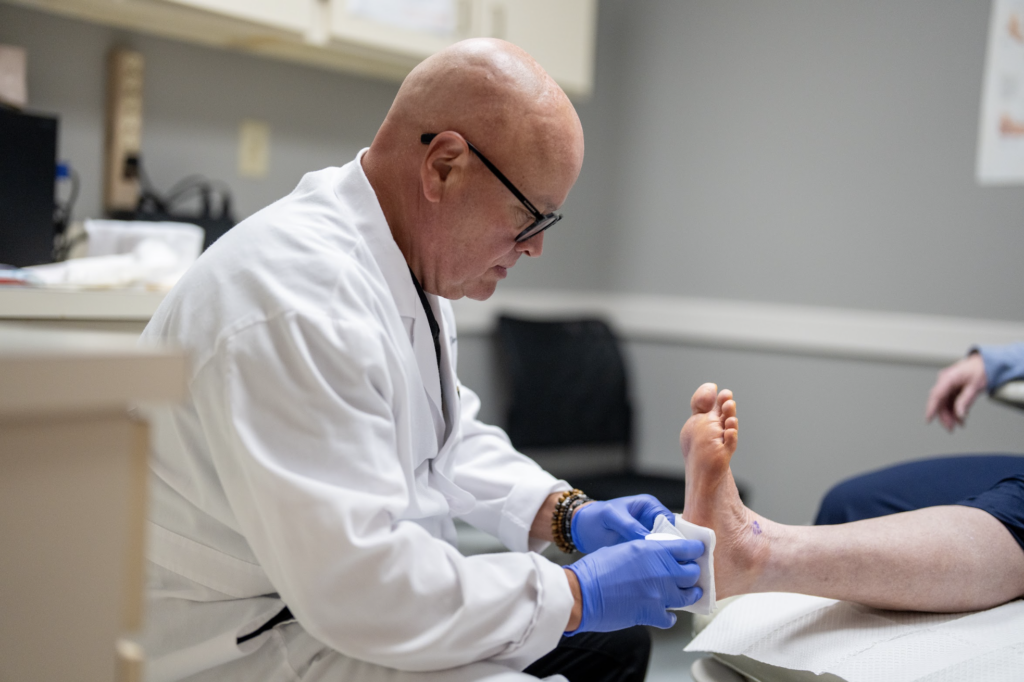
Effective diabetic foot and wound care begins with a thorough evaluation of circulation, sensation, skin integrity, and foot structure. AAOP-based principles stress the importance of biomechanical assessment, as abnormal pressure distribution often contributes to skin breakdown and delayed healing. Wound characteristics—such as depth, drainage, and surrounding tissue health—are carefully monitored to guide treatment decisions and detect complications early.
Dr. Michelle DeJesus often underscores that regular foot exams are essential even when no active wound is present. Preventive care can significantly reduce the likelihood of future ulcers and long-term complications.
Advanced Wound Care and Treatment Strategies
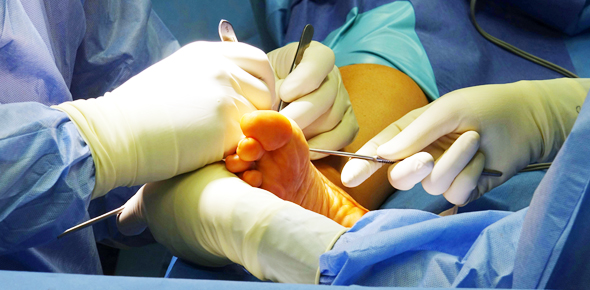
Diabetic wound care may involve debridement, specialized dressings, pressure offloading, infection management, and coordination with other healthcare providers when necessary. The AOFAS supports an evidence-based approach that prioritizes wound protection, optimized healing conditions, and prevention of recurrence. Treatment plans are individualized, recognizing that each patient’s circulation, activity level, and overall health play a role in recovery.
Dr. Betty Carreira emphasizes that wound healing is not just about closing the skin, but about restoring function and preventing future breakdown. Long-term success often depends on addressing footwear, gait mechanics, and daily foot care habits alongside clinical treatment.
Preventing Future Wounds and Complications
Preventive diabetic foot care is a cornerstone of long-term health. This includes regular professional evaluations, proper nail and skin care, pressure redistribution, and patient education. The AAOP highlights that reducing repetitive stress and protecting vulnerable areas can dramatically lower the risk of ulcer recurrence. Consistent follow-up allows early intervention before problems escalate. Our CT team provides diabetic foot and wound care across Danbury, Southbury, and Naugatuck, ensuring accessible, continuous care close to home.
Your Plan for an Active Life
1. Schedule an Expert Evaluation Built Around You
Regular evaluations help identify circulation issues, nerve changes, and pressure points before wounds develop or worsen.
2. Personalized Treatment and Monitoring
Your care plan is tailored and managed by Dr. James M. DeJesus, Dr. Austin Davidow, Dr. Michelle DeJesus, or Dr. Betty Carreira, combining wound care, biomechanical support, and preventive strategies.
3. Long-Term Protection and Mobility
Ongoing follow-up, education, and protective care help maintain healing, reduce recurrence, and support safe movement in daily life.
With expert diabetic foot and wound care available in Danbury, Southbury, and Naugatuck, our physicians are committed to protecting your diabetic feet, supporting healing, and helping you maintain mobility and independence over the long term.
Why Patients Trust Family FootCare
Patients choose Family FootCare because we combine advanced training, evidence-based decision-making, and a patient-centered approach that makes each person feel understood and supported. Our CT diabetic foot doctors bring extensive experience in forefoot reconstruction and use modern diagnostic tools to ensure precise evaluation. We don’t rush decisions: every patient receives a thorough explanation of findings, treatment options, and realistic expectations so they can make informed, confident choices about their care.
Related Conditions and Treatments
We provide a full spectrum of treatments tailored to the diverse lifestyles of Southbury residents.
Schedule Your Appointment Today
If bunion pain is limiting your life, you don’t have to keep pushing through it. Our team will help you understand the cause of your symptoms and whether surgical correction may offer long-term relief. Schedule a consultation to begin your path toward comfortable, confident movement.
Whether you need a routine diabetic foot check, orthotics for work, or treatment for an injury, Family Footcare CT is here to help. Contact us!
Call us today to book your visit:
📞 +1 203-405-6501
Frequently Asked Questions (FAQ) about Diabetic Foot & Wound Care
Diabetic foot issues often start subtly, primarily due to prolonged high blood sugar levels damaging nerves (neuropathy) and poor circulation. You might first notice symptoms like numbness, tingling, burning sensations, or a loss of feeling in your toes. Because you might not feel pain like a non-diabetic person, a small blister, cut, or ingrown toenail can go unnoticed and develop into a serious infection.
Daily hygiene is the cornerstone of diabetic foot health education and prevention. Because diabetes increases infection risk, keeping feet clean is vital. We recommend washing your feet daily with lukewarm water and mild soap, drying them thoroughly (especially between the toes), and inspecting them closely for any changes, redness, or cuts.
If you see something that looks like a “hole,” deep sore, or a cut that isn’t healing, it is likely a diabetic foot ulcer. This is a medical emergency requiring immediate attention from a podiatrist. Do not try to treat it yourself. Professional treatment involves debridement (cleaning dead tissue), infection control, and off-loading pressure from the area to allow for healing.
The right socks are crucial for protection. When choosing diabetic socks, look for features that minimize irritation and improve circulation. They should be non-binding at the top (no tight elastic rings), have seamless toes to prevent rubbing, and be made of moisture-wicking materials to keep feet dry and reduce fungal infection risks.
Proper “diabetic footwear” is essential for preventing wounds. The best protective shoes should have a wide and deep toe box (so toes aren’t squeezed), soft cushioned interiors with no protruding seams, and supportive soles. Many patients benefit from prescription-depth shoes that accommodate custom orthotics.
It’s important to distinguish between moisturizing intact skin and treating a wound. For daily care, using a good moisturizer on your heels and soles helps prevent cracking (which can lead to infection). However, you should never put standard lotions or “healing creams” on an open diabetic ulcer unless prescribed by your wound care specialist. Open wounds require specialized medical dressings.
Diabetic foot pain can manifest differently, ranging from the burning nerve pain of neuropathy to mechanical heel pain (like plantar fasciitis). Never ignore foot pain. A podiatrist needs to determine the cause of the pain. Relief might involve custom orthotics to offload pressure, specific medication for nerve pain, or changes in footwear.
Please exercise extreme caution with over-the-counter foot pads, particularly medicated “corn remover” patches. These often contain acids that can burn diabetic skin and create severe ulcers. Non-medicated cushioning pads may offer temporary relief, but it is always safer to consult your podiatrist before applying anything directly to your feet.
When dealing with diabetic wounds, you need specialized care. At Family Footcare CT, we have board-certified podiatrists (DPM) who specializes in wound care, limb salvage, or limb preservation. Our specialists have advanced training and access to the latest bio-engineered tissues and dressing technologies to close complex wounds.
Beyond good socks and shoes, simple items can help. A “diabetic foot pillow” or heel elevator can be useful when resting in bed to keep pressure off your heels, preventing pressure sores. Also, a long-handled mirror is an excellent, inexpensive tool that allows you to inspect the bottom of your feet daily without painful bending.