Repair and Reconstruction for Strength, Stability, and Confident Movement
The Achilles tendon is the strongest tendon in your body, acting as the literal bridge between your every step and your ability to move forward. When it suffers a tear or rupture, it doesn’t just halt your morning run—it can feel like your entire world has been put on pause.
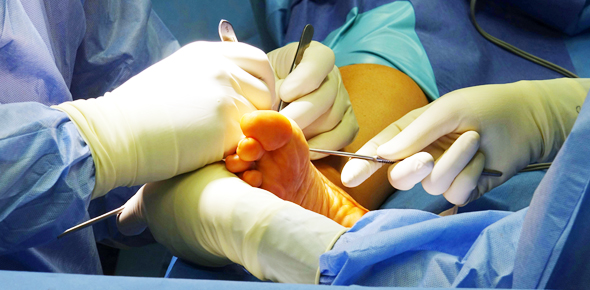
We know that the prospect of Achilles tendon surgery can be daunting, but you don’t have to navigate the path to recovery alone. At Family FootCare CT, Achilles tendon surgery is approached with precision, experience, and long-term function in mind.
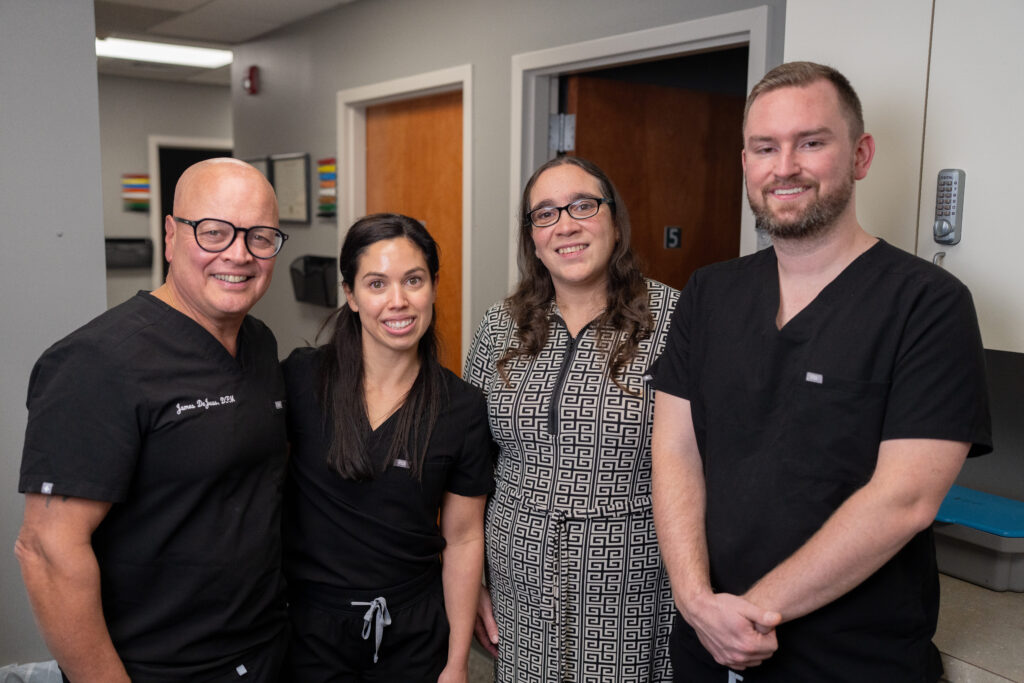
Dr. James DeJesus, Dr. Betty M. Carreira, Dr. Michelle DeJesus, and Dr. Austin Davidow provide advanced surgical care for Achilles injuries at our Danbury, Southbury, and Naugatuck locations. Our goal is not only to repair the tendon but to restore your strength, balance, and confidence in movement.

DPM, FACFAS, FACFO
Over 30 years of experience in podiatric surgery, medical education, and clinical leadership

DPM
More than a decade of caring for patients across Connecticut as a board-certified podiatric surgeon

DPM
Up-to-date surgical training with a conservative-first approach, guided by current research

DPM
An exercise science specialist who combines advanced surgical training with genuine empathy
Understanding Achilles Tendon Injuries
Achilles tendon problems range from chronic degeneration to partial or complete rupture. Chronic Achilles tendinopathy often develops gradually due to overuse, poor biomechanics, reduced blood supply, or age-related changes within the tendon.
Patients may experience heel or calf pain, stiffness after rest, swelling, weakness during push-off, or a sudden “pop” at the time of injury. Accurate diagnosis is essential, as untreated or improperly treated Achilles injuries can lead to long-term weakness, altered gait, and increased strain on surrounding joints.
Achilles & Ankle Injuries: Symptoms and Recovery
Navigating Achilles tendon pain or general ankle discomfort can be frustrating, especially when you aren’t sure whether a tweak is a minor strain or a serious injury requiring professional intervention. Identifying the severity of your symptoms is the first step toward a fast recovery.
If you are experiencing persistent discomfort or a sudden “pop,” consulting with a specialized Achilles surgeon in CT can help you determine whether conservative therapy or Achilles surgery in CT is necessary to restore your mobility and strength.
Types of Achilles & Ankle Injuries
- Achilles Tendon Ruptures and Tears
- Chronic Achilles Tendonitis
- Ankle Fractures & Trauma
- Chronic Ankle Instability
- High Ankle Sprains (Syndesmotic Injuries)
Common Injury Symptoms
- Pain Radiating Up the Leg
- Severe Achilles Tendon Pain
- Inability to Push Off
- Audible Cracking or Popping
- Visible Deformity
- Rapid Swelling and Bruising
- Ankle Buckling
- Reduced Range of Motion
Our Tendon Achilles Surgery
1. A Thorough, Individualized Achilles Evaluation
Your care begins with a detailed clinical exam, gait assessment, and advanced imaging when needed. Your surgeon evaluates tendon integrity, strength, flexibility, and alignment to understand how the injury affects overall foot and ankle mechanics.
2. A Clear, Personalized Surgical Strategy
If surgery is recommended, our CT podiatrists will explain the procedure, why it fits your condition, and what outcomes are realistic. You’ll understand how the surgery supports long-term strength rather than short-term symptom relief alone.
3. A Guided Roadmap Back to Strength and Confidence
Recovery includes progressive weight-bearing, protection of the surgical site, and rehabilitation designed to restore power, balance, and endurance. You receive a clear plan before surgery begins, so you know what to expect at every stage.
Take the Next Step Toward Stronger, More Reliable Movement
If Achilles tendon pain or injury is limiting your ability to stay active, expert evaluation can provide clarity and direction. Our team is ready to help you understand your options and move forward with confidence.
Schedule a consultation at our locations and begin your path toward restored strength and stability.
Frequently Asked Questions (FAQ) about Achilles Tendon Surgery
The Achilles tendon is the largest and strongest tendon in your body, connecting your calf muscles to your heel bone. It is essential for basic movements like walking, running, jumping, and climbing stairs. Because it bears significant weight, it is also one of the most frequently injured areas of the lower body.
While heel pain can stem from many issues (like plantar fasciitis), an Achilles injury often presents as:
– Pain or stiffness along the back of the leg, especially in the morning.
– A “pop” or snapping sensation during physical activity.
– Sudden weakness when trying to push off your foot or stand on your toes.
– Persistent swelling that worsens with activity.
Tendinopathy is a chronic condition caused by overuse or age-related degeneration, where the tendon tissue breaks down over time. Alternatively, rupture is an acute, sudden tear (partial or complete) often occurring during sports or sudden movements.
Not necessarily. Many injuries respond well to non-surgical treatments like immobilization, activity modification, and physical therapy. However, our CT podiatrists may recommend surgery for complete ruptures, chronic tears that haven’t healed, or for active patients who need to restore full “push-off” power and strength.
We offer advanced surgical consultations and care at our three convenient Connecticut locations: Danbury, Southbury, and Naugatuck.
Yes. Because an Achilles injury changes how you walk, it can put extra strain on other parts of your foot. This may lead to ankle instability, plantar fasciitis, or other tendon disorders. Our surgeons evaluate your entire foot biomechanics to ensure the whole system is supported during your recovery.