Skin and nail conditions affecting the feet and ankles are common but often underestimated health issues. Because the skin and nails serve as protective barriers, any disruption can lead to discomfort, infection, impaired mobility, and reduced quality of life. According to guidance supported by organizations such as the American Academy of Orthopaedic Surgeons (AAOS) and the American Orthopaedic Foot & Ankle Society (AOFAS), early evaluation by a qualified foot and ankle specialist is essential to prevent progression and complications.
At our CT podiatric clinic, patients receive comprehensive care from our CT Podiatrists, all of whom are experienced in diagnosing and managing both common and complex skin and nail disorders.
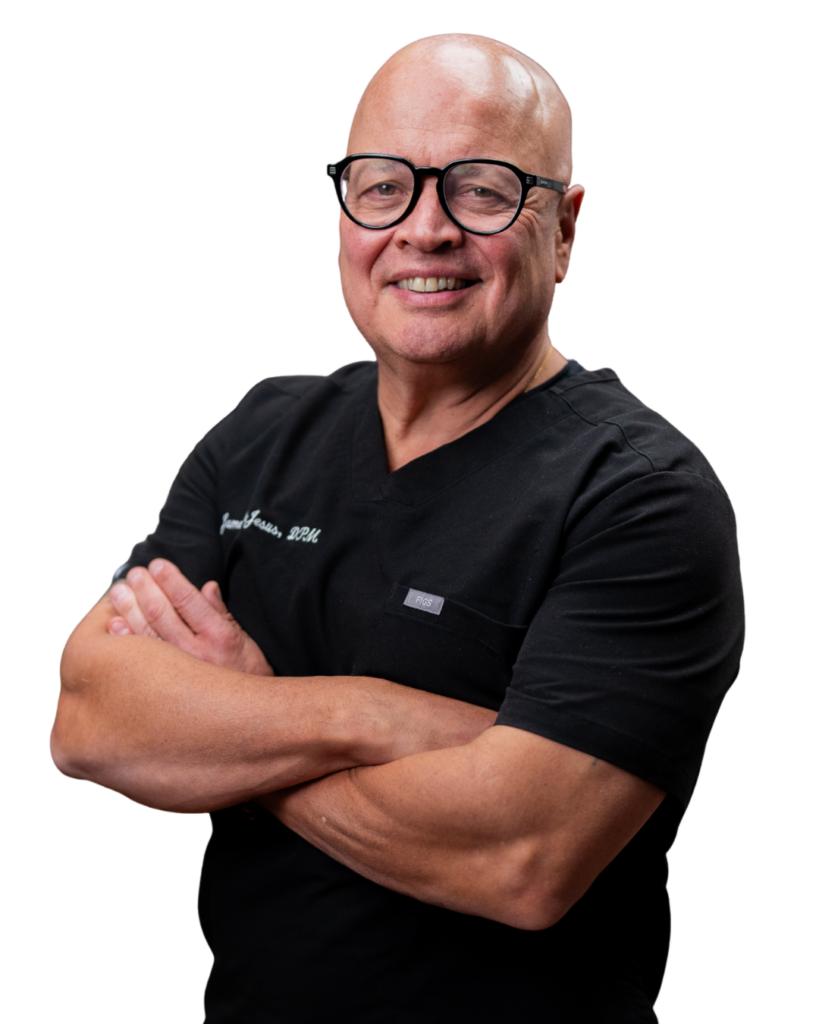
DPM, FACFAS, FACFO
Over 30 years of experience in podiatric surgery, medical education, and clinical leadership
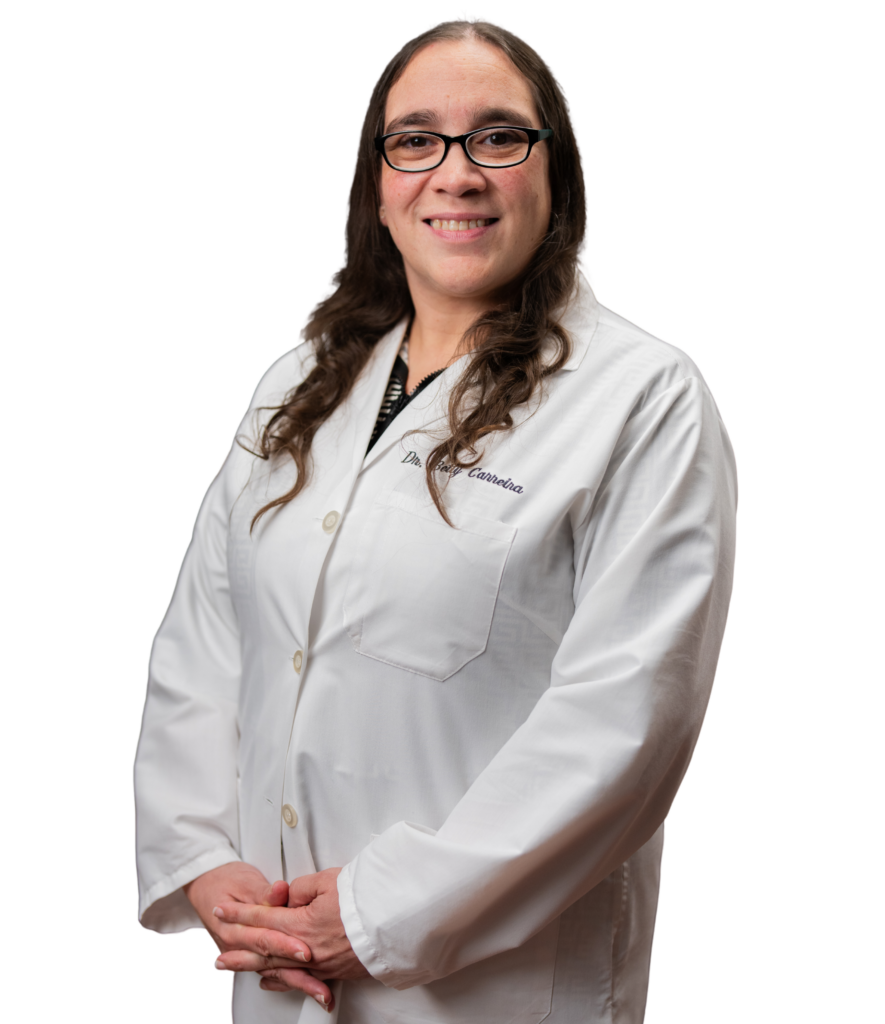
DPM
More than a decade of caring for patients across Connecticut as a board-certified podiatric surgeon
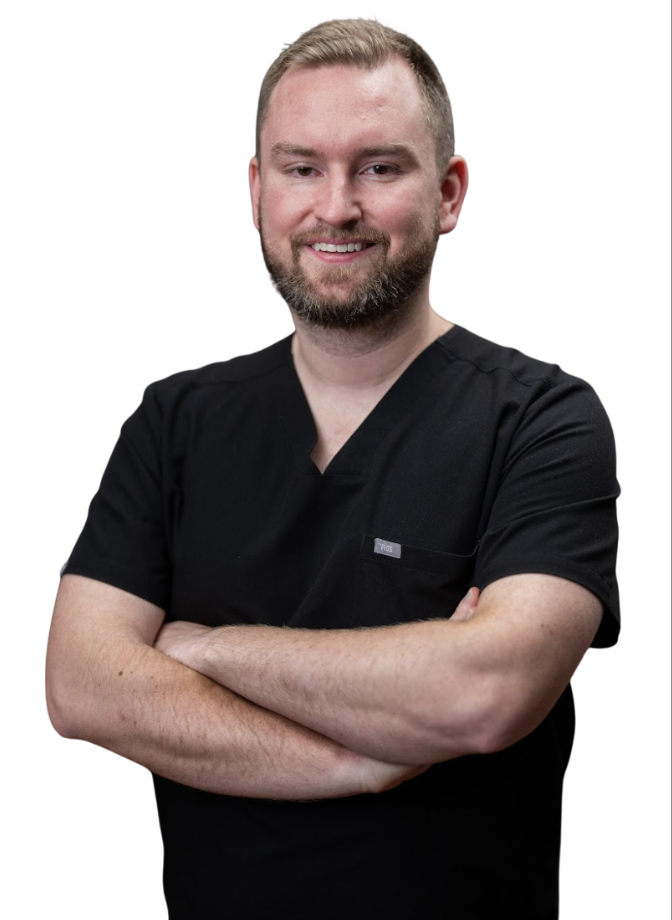
DPM
Up-to-date surgical training with a conservative-first approach, guided by current research

DPM
An exercise science specialist who combines advanced surgical training with genuine empathy
What Skin & Nail Conditions does Family FootCare treat?
Skin conditions of the foot and ankle range from mild irritations to painful, activity-limiting disorders. Calluses and corns, for example, develop due to repetitive pressure or friction and may indicate underlying alignment problems. Chronic heel fissures can result from dry skin, abnormal loading, or prolonged standing and may increase the risk of infection if left untreated. Inflammatory conditions such as dermatitis or eczema can cause itching, redness, and cracking, often requiring medical-grade topical therapy and trigger management.
Our CT foot and ankle doctors take a comprehensive approach by evaluating footwear, gait mechanics, and skin health together. This aligns with AOFAS recommendations that stress treating contributing factors—not just visible skin changes—to achieve lasting relief.
Nail Disorders and Structural Nail Problems
Surgery is considered when structural deformity or symptoms persist despite footwear changes, orthotics, and activity modification. Many cases progress over time, and our specialists evaluate your foot using digital X-rays, clinical examination, and biomechanical assessment.
What are the Nail Disorders and Structural Nail Problems?
Nail conditions are among the most frequent concerns seen in foot and ankle clinics. Ingrown toenails, thickened or dystrophic nails, and nail trauma can lead to pain, inflammation, and infection. Repetitive microtrauma from sports or ill-fitting shoes is a common contributor, especially in active individuals. Structural nail deformities may also be associated with toe alignment issues or long-standing pressure points.
Dr. Austin Davidow and Dr. Betty Carreira routinely manage both conservative and procedural treatments for nail disorders, following standards supported by the AAOS and AAOP. Care plans are individualized, focusing on pain relief, infection prevention, and long-term nail health while minimizing recurrence.
Fungal and Infectious Conditions
Fungal infections of the skin and nails are persistent conditions that often require medical intervention. Without proper treatment, these infections may spread, thicken the nails, and interfere with walking or shoe wear. Evidence cited by the AOFAS highlights the importance of accurate diagnosis, as fungal infections can mimic other nail disorders. Our physicians use clinical evaluation and, when appropriate, diagnostic testing to ensure targeted and effective treatment.
Patients with diabetes or circulatory conditions require special attention, as even minor skin or nail infections can lead to serious complications. Dr. James M. DeJesus and Dr. Michelle DeJesus emphasize early intervention and preventive strategies for these higher-risk patients.
Our Comprehensive, Evidence-Based Approach
Treatment of skin and nail conditions is most effective when guided by evidence-based protocols. Drawing on best practices promoted, our foot and ankle doctors combine medical treatment with biomechanical assessment, footwear guidance, and preventive education. This holistic approach helps reduce recurrence and supports long-term foot health.
Every patient is evaluated individually, ensuring that care plans align with lifestyle demands, activity levels, and overall health goals. Whether the issue is cosmetic, painful, or function-limiting, our team prioritizes restoring comfort and mobility.
What to do if I have a Skin or Nail Condition?
- Accurate Diagnosis and Risk Assessment: Your evaluation begins with a thorough examination by Dr. James M. DeJesus, Dr. Austin Davidow, Dr. Michelle DeJesus, or Dr. Betty Carreira, identifying contributing factors such as pressure points, alignment issues, or systemic risks.
- Targeted Treatment and Prevention: Based on podiatric supported guidelines, we implement medical, procedural, or supportive treatments while addressing footwear and biomechanical contributors.
- Long-Term Foot Health and Maintenance: We provide education and follow-up strategies designed to maintain healthy skin and nails, reduce recurrence, and support ongoing mobility and comfort.
Why Trust Family FootCare CT for treating Skin & Nail Conditions
Patients trust Family FootCare CT because we combine advanced training, evidence-based decision-making, and a patient-centered approach that makes each person feel understood and supported.
Our doctors bring extensive experience in forefoot reconstruction and use modern diagnostic tools to ensure precise evaluation. We don’t rush decisions: every patient receives a thorough explanation of findings, treatment options, and realistic expectations so they can make informed, confident choices about their care.
Related Conditions and Treatments
We provide a full spectrum of treatments tailored to the diverse lifestyles of Southbury residents.
Schedule Your Appointment Today
If you are experiencing persistent foot or ankle skin or nail problems, early expert care can make a significant difference. Schedule a consultation at our Naugatuck, Southbury, or Danbury, CT podiatric clinic with us to receive personalized, evidence-based treatment. Contact our office today and take the first step toward healthier feet and a more active life.
Call us today to book your visit:
📞 +1 203-405-6501
Frequently Asked Questions (FAQ) about Skin & Nail Conditions
While conservative care helps, surgery is the only way to correct the deformity. Dr. James M. DeJesus, DPM, FACFAS, evaluates the severity of the drift in the big toe (hallux valgus) at our Danbury clinic to determine if a realignment osteotomy or soft tissue repair is best.
Look for board certification and fellowship training. Our team, including Dr. Austin Davidow, specializes in keeping athletes active. We tailor bunion correction to ensure you can return to running and sports without losing push-off power.
Online orthotics are generic. While they may provide a temporary cushion, they cannot correct the biomechanical root of a bunion. At our Southbury location, we craft custom insoles made locally that specifically address your foot structure to slow bunion progression.
We utilize modern, minimally invasive techniques whenever possible. This involves smaller incisions and less soft tissue disruption, leading to faster recovery. Dr. Betty M. Carreira can explain if you are a candidate for these advanced procedures during a consultation.
Yes. Gout often attacks the big toe joint, causing sudden, intense pain that mimics a bunion flare-up. We perform fluid analysis in Naugatuck to differentiate between a structural bunion and metabolic gout.
Recurrence is rare with modern surgical techniques that address the 3D deformity of the bone. Dr. Michelle DeJesus follows AOFAS guidelines to ensure the correction is permanent by addressing the root cause, not just shaving the u0022bump.u0022
Bone healing typically takes 6 to 8 weeks. However, many patients can walk in a surgical boot within days, depending on the procedure.
Yes. As the big toe deviates, it transfers pressure to the smaller toes, potentially causing stress fractures or transfer metatarsalgia (pain in the ball of the foot).
This is a 3D bunion correction procedure that secures the unstable joint foundation. Dr. Austin Davidow is experienced in these rotational corrections to restore natural anatomy.
Once fully healed, most patients can wear a variety of shoes. However, we recommend avoiding excessive heel height to prevent future issues.