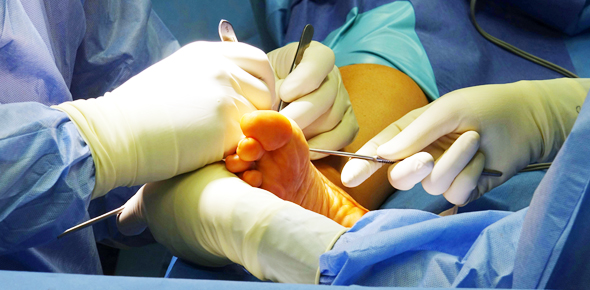
Arch pain is a common complaint that can affect people of all ages and activity levels, from athletes to individuals who spend long hours standing or walking. The arch plays a critical role in shock absorption, weight distribution, and forward propulsion during gait. According to the American Orthopaedic Foot & Ankle Society (AOFAS), pain in this area often reflects excessive strain on the plantar fascia, tendons, or supporting ligaments rather than a single isolated injury. When the arch is overstressed or poorly supported, tissues can become inflamed, irritated, or structurally compromised.

DPM, FACFAS, FACFO
Over 30 years of experience in podiatric surgery, medical education, and clinical leadership
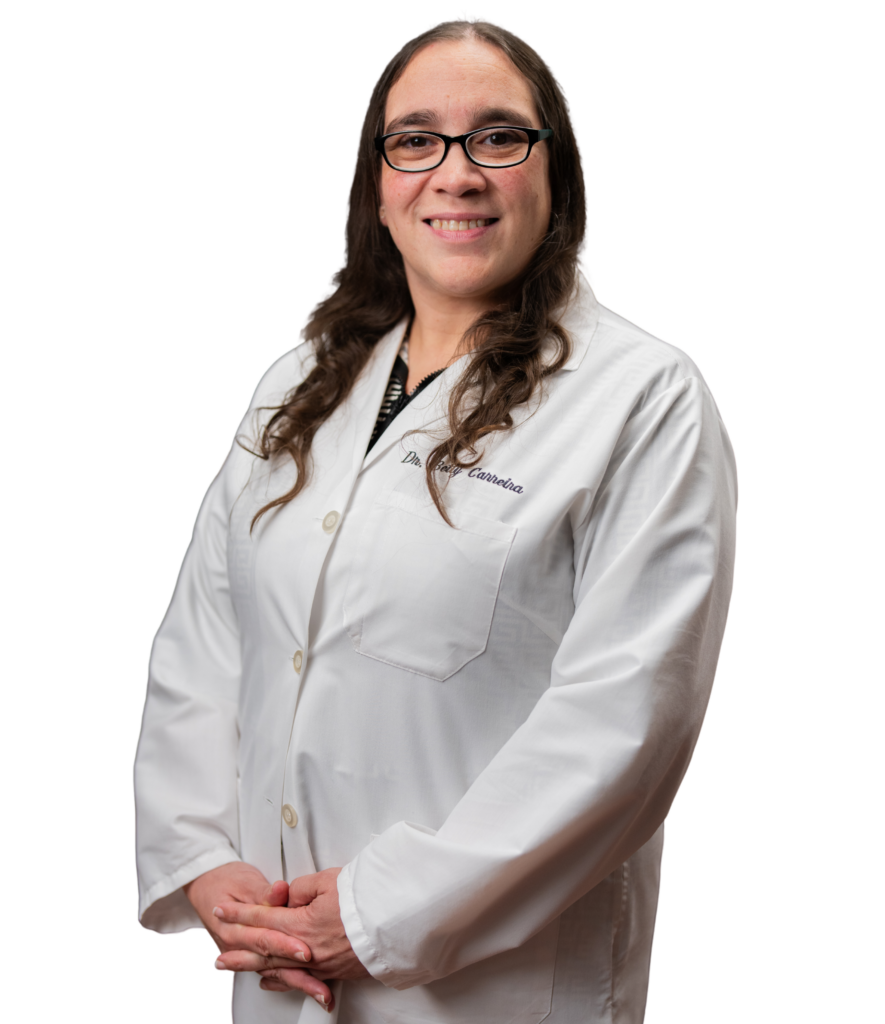
DPM
More than a decade of caring for patients across Connecticut as a board-certified podiatric surgeon

DPM
Up-to-date surgical training with a conservative-first approach, guided by current research

DPM
An exercise science specialist who combines advanced surgical training with genuine empathy
Understanding Arch Pain and Why It Develops
Dr. James M. DeJesus often explains to patients that arch pain is rarely just a surface issue. It is usually a sign that foot mechanics are no longer working efficiently, causing abnormal load through the midfoot with every step. Without proper evaluation, this ongoing stress can gradually worsen symptoms and affect overall mobility.
Common Causes of Arch Pain
Arch pain can arise from several underlying factors, many of which are related to foot structure and biomechanics. Flat feet may allow the arch to collapse excessively during walking, increasing strain on soft tissues. High arches, on the other hand, may concentrate pressure in a smaller area, reducing shock absorption. The AAOS highlights that both extremes of arch structure can predispose individuals to chronic pain when not properly supported.
Overuse injuries are another frequent cause. Activities involving repetitive impact, sudden increases in training, or prolonged standing can overload the plantar fascia and intrinsic foot muscles. Dr. Austin Davidow notes that arch pain often develops gradually, making it easy to ignore early warning signs until daily activities become uncomfortable.
Symptoms and Functional Limitations
Arch pain may present as aching, burning, or sharp discomfort along the inside or center of the foot. Some patients feel pain primarily during the first steps in the morning, while others notice symptoms that worsen throughout the day. According to AOFAS guidance, pain that persists despite rest or supportive footwear should be evaluated, especially if it interferes with walking, work, or exercise.
Dr. Michelle DeJesus emphasizes that untreated arch pain can lead patients to alter their gait subconsciously. These compensatory changes may reduce pain temporarily but often increase stress on the ankle, knee, or lower back, creating a chain reaction of musculoskeletal problems.
How Arch Pain Is Evaluated
Proper diagnosis begins with a detailed history and physical examination, focusing on foot alignment, flexibility, and areas of tenderness. Weight-bearing assessment is essential, as many arch-related problems only become apparent when the foot is under load. According to the AOFAS, imaging such as X-rays may be used to evaluate bone structure and rule out stress injuries or arthritic changes when indicated.
Gait analysis and footwear evaluation are also important components of care. Dr. Betty Carreira explains that understanding how the foot functions during movement allows treatment to target the underlying mechanical cause rather than simply addressing pain symptoms.
Treatment Approaches and Long-Term Care
Management of arch pain typically begins with conservative care. AAOP-supported approaches include activity modification, stretching programs, strengthening of intrinsic foot muscles, supportive footwear, and custom orthotics designed to improve load distribution. These measures aim to reduce tissue strain while promoting healthier movement patterns.
When symptoms persist, further interventions may be considered based on the specific diagnosis. Dr. James M. DeJesus stresses that treatment plans are individualized, with a focus on restoring function, preventing recurrence, and supporting long-term foot health rather than providing short-term relief alone.
Potential Effects of Leaving Arch Pain Untreated
Ignoring arch pain can allow inflammation and mechanical stress to continue unchecked. AOFAS literature notes that prolonged strain may contribute to plantar fasciitis, tendon dysfunction, or midfoot instability over time. As pain progresses, activity levels often decline, which can affect overall health and quality of life.
Dr. Austin Davidow highlights that early intervention often shortens recovery time and reduces the likelihood of chronic conditions that require more complex care.
Your Plan for an Active Life
1. Schedule an Expert Evaluation Built Around You
We evaluate foot structure, arch behavior during walking, and contributing lifestyle factors to identify the true source of your pain.
2. A Clear, Personalized Treatment Plan
Your doctor develops an evidence-based plan guided by AAOP and AOFAS standards, tailored to your condition and daily demands.
3. A Roadmap Back to Comfortable Movement
Care focuses on restoring proper mechanics, improving strength and flexibility, and helping you stay active with reduced risk of recurrence.
With experienced guidance from Dr. James M. DeJesus, Dr. Austin Davidow, Dr. Michelle DeJesus, and Dr. Betty Carreira, many patients with arch pain regain comfort, confidence, and long-term foot stability.
Why Patients Trust Family FootCare
Patients choose Family FootCare because we combine advanced training, evidence-based decision-making, and a patient-centered approach that makes each person feel understood and supported. Our doctors bring extensive experience in forefoot reconstruction and use modern diagnostic tools to ensure precise evaluation. We don’t rush decisions: every patient receives a thorough explanation of findings, treatment options, and realistic expectations so they can make informed, confident choices about their care.
Related Conditions and Treatments
Arch pain frequently overlaps with heel pain, plantar fasciitis, flatfoot deformity, high arches, ankle pain, and foot arthritis. Addressing these related conditions as part of a comprehensive treatment strategy helps ensure more durable symptom relief and improved mobility.
We provide a full spectrum of treatments tailored to the diverse lifestyles of Southbury, Danbury and Naugatuck, CT residents.
Schedule Your Appointment Today
If Arch pain is limiting your life, you don’t have to keep pushing through it. Our team will help you understand the cause of your symptoms and whether surgical correction may offer long-term relief.
Whether you need a routine diabetic foot check, orthotics for work, or treatment for an injury, Family Footcare CT is here to help. Contact us!
Proudly serving the foot and ankle health needs of patients in Danbury, Southbury, and Naugatuck, as well as our neighbors in Middlebury, Oxford, Watertown, Waterbury, and surrounding communities.
Call us today to book your visit:
📞 +1 203-405-6501
Frequently Asked Questions (FAQ)
Avoid the generic kiosks. We cast custom orthotics at our Danbury, Southbury, and Naugatuck offices. Dr. James M. DeJesus takes a neutral-suspension mold of your foot to create a device that corrects your specific biomechanics, which is superior to store-bought options.
Online orthotics are often just “arch supports” based on shoe size, not your foot’s pathology. They cannot correct severe overpronation or rigid high arches. For medical conditions like plantar fasciitis, a prescription device from Dr. Carreira is the gold standard.
This is often Plantar Fasciitis or Posterior Tibial Tendon Dysfunction. Running collapses the arch repeatedly. If you don’t have proper support, the tendon stretches and inflames. We treat many runners in the Connecticut area with sports-specific orthotics.
In children, arches may develop over time. In adults, “flat foot” is a permanent structural shape, but the pain can be fixed. If conservative care fails, Dr. Davidow performs flatfoot reconstruction surgery to rebuild the arch.
Some people have an extra bone on the inside of the arch. It can cause pain and redness in shoes. We can surgically remove this extra bone if it becomes symptomatic and limits your activity.
High arches (Cavus Foot) are actually more prone to shock-absorption issues and stress fractures because the foot is too rigid. We recommend cushioned footwear and orthotics designed to redistribute pressure away from the heel and ball of the foot.
Yes. A tight Achilles tendon pulls on the heel bone, which in turn pulls the plantar fascia tight across the arch. Stretching the calves is the #1 home remedy we prescribe for arch pain.
Look for “motion control” or “stability” shoes if you have flat feet. Brands like Brooks, Hoka, and New Balance offer excellent options. Bring your shoes to your appointment in Naugatuck, and we will evaluate if they are right for you.
If you feel a sudden “pop” or tearing sensation in the arch, you may have ruptured the plantar fascia. This results in bruising and an inability to push off. This is a traumatic injury requiring a walking boot.
High-quality custom orthotics typically last 3-5 years. The top covers may wear out, but the shell is durable. We can refurbish them in our office for a fraction of the cost of a new pair.