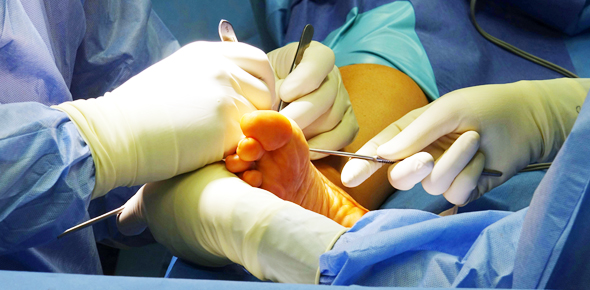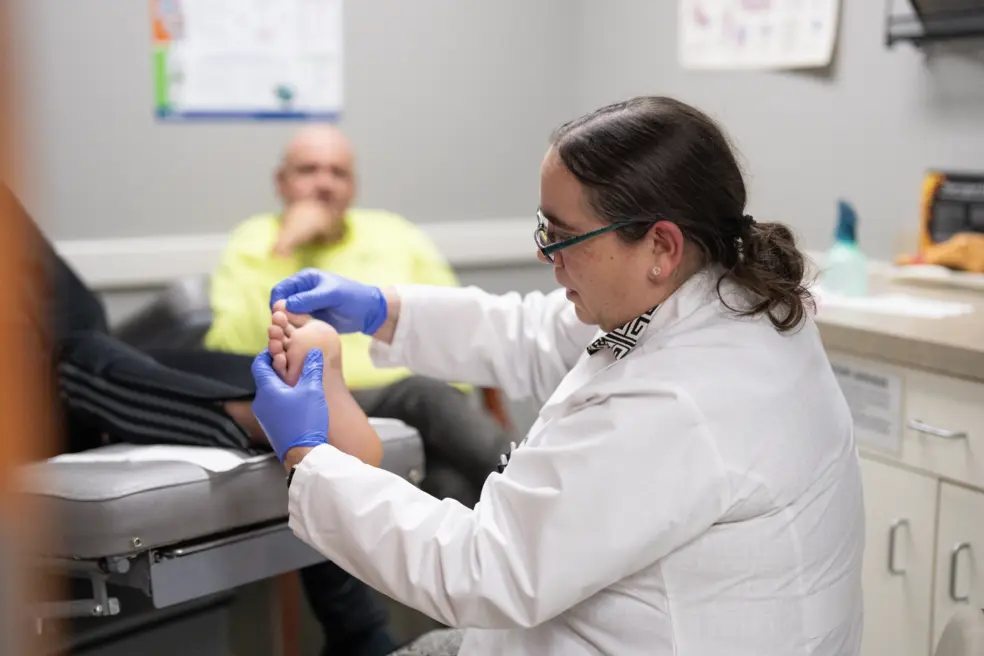
Plantar fascia release is a surgical procedure used to relieve chronic heel pain caused by persistent plantar fasciitis—an inflammation and degeneration of the thick band of tissue running along the bottom of the foot. Most people recover through non-surgical care, but when symptoms remain severe after months of structured treatment, surgery becomes a medically supported next step. According to guidance from the American Academy of Orthopaedic Surgeons (AAOS), plantar fascia release is considered only after conservative measures fail and pain interferes with normal function.
At our Family Footcare CT clinics at Danbury, Naugatuck, and Southbury, our CT Podiatric doctors perform both open and minimally invasive releases, choosing the technique based on anatomy, imaging, and the severity of the fascial restriction.
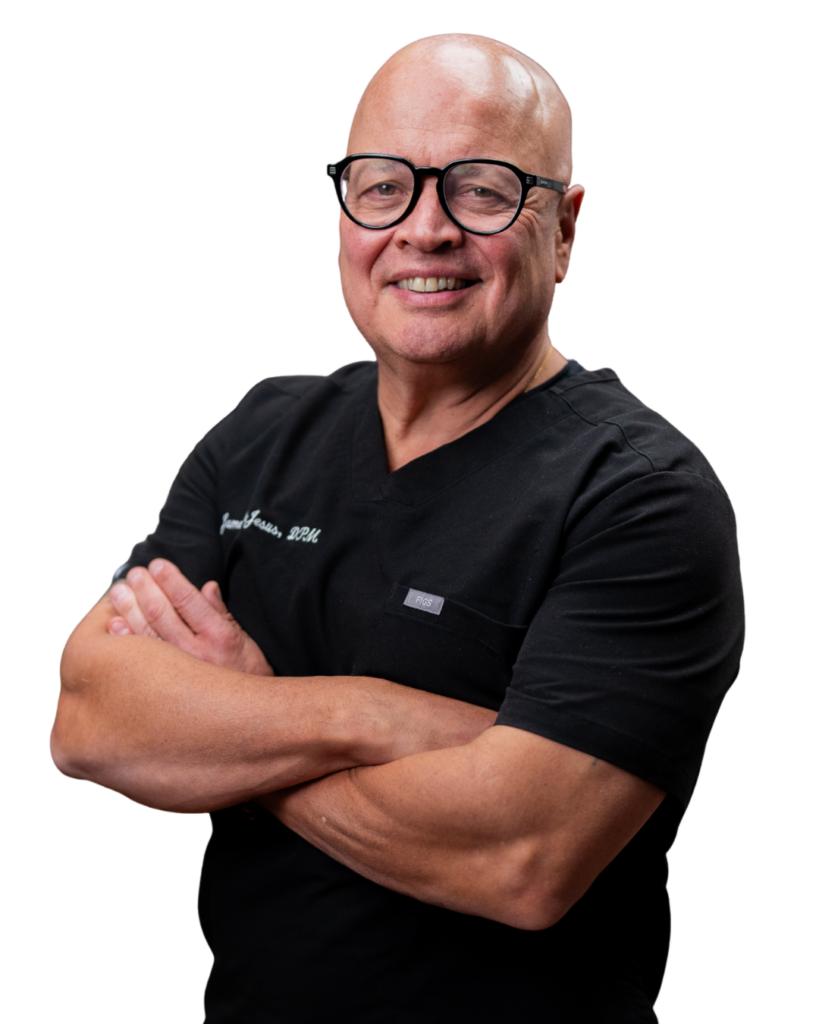
DPM, FACFAS, FACFO
Over 30 years of experience in podiatric surgery, medical education, and clinical leadership
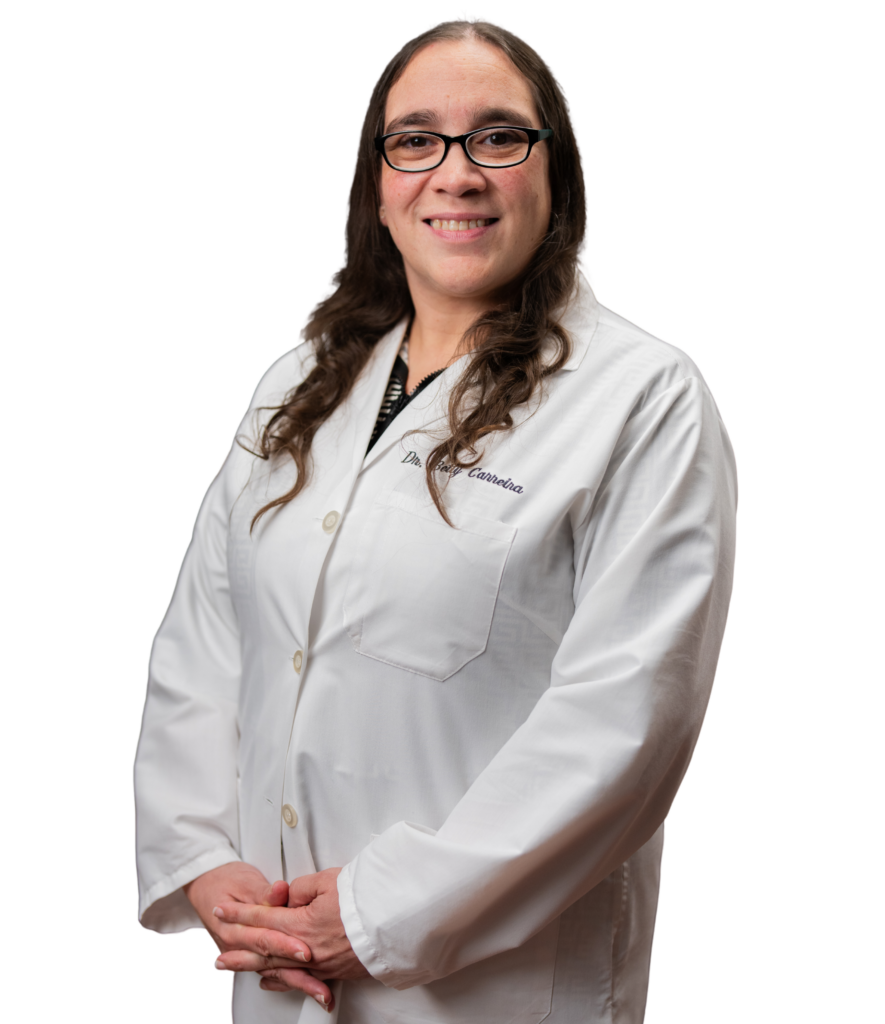
DPM
More than a decade of caring for patients across Connecticut as a board-certified podiatric surgeon

DPM
Up-to-date surgical training with a conservative-first approach, guided by current research

DPM
An exercise science specialist who combines advanced surgical training with genuine empathy
Signs You May Need Surgery
Persistent, Activity-Limiting Heel Pain
If you experience sharp heel pain with your first steps in the morning, discomfort that worsens throughout the day, or pain that limits standing and walking, you may be experiencing advanced plantar fasciitis. When these symptoms continue for 6–12 months despite physical therapy, orthotic support, stretching, injections, and shockwave therapy, surgery may effectively restore mobility.
Imaging That Shows Degeneration
Ultrasound and MRI can reveal fascial thickening, chronic microtears, or enthesopathy—Findings that suggest structural failure rather than inflammation alone. Our doctors review your imaging and gait mechanics to determine whether a surgical release would truly benefit you.
Severe Pain That Limits Daily Activities
When pain interferes with walking, standing, exercise, or wearing normal shoes, surgery may provide lasting relief, while non-surgical measures often give only temporary relief.
What does a Plantar Fasciitis Surgery Involves?
Partial Release to Restore Mobility: A plantar fascia release typically involves cutting 30–40% of the fascia to reduce tension, decompress the heel, and relieve traction on the calcaneus. Evidence from the AOFAS (American Orthopaedic Foot & Ankle Society) supports partial—rather than complete—release to preserve arch stability.
Minimally Invasive or Open Technique: Your surgeon may use a small incision or endoscopic approach to reduce trauma and speed recovery. More complex structural issues (flatfoot collapse, large bone spurs, chronic scar tissue) may require a slightly larger incision for precision and long-term stability.All procedures are performed by Dr. DeJesus, Dr. Carreira, or Dr. Austin Davidow, each trained in advanced foot and ankle surgical methods.
Common Causes of Plantar Fasciitis
Overload and Mechanical Stress
Repetitive stress from running, prolonged standing, or sudden increases in activity can strain the fascia. Flat feet, tight calves, or poor shock-absorbing footwear also contribute significantly.
Age-Related Degeneration
The fascia becomes less elastic with age, increasing susceptibility to microtears and chronic thickening.
Weight-Related Forces
Excess body weight increases downward stress on the plantar fascia with every step, accelerating inflammation.
Your Plan for an Active Life
1. Schedule an Expert Evaluation Built Around You
We examine the structure of your foot, your gait mechanics, X-ray findings, and your symptoms to understand the root cause—not just the bump on the side of the toe. Your doctor will explain which type of bunion surgery best fits your goals.
2. A Clear, Personalized Treatment Plan that can include a Plantar Fasciitis Surgery
Whether you need a Plantar Fasciitis Surgery or not, your surgeon will walk you through the reasoning behind the recommendation and what outcomes you can expect.
3. A Roadmap Back to Comfortable Movement
Recovery includes guided weight-bearing progression, protection of the surgical site, and rehabilitation to restore mobility and strength. We make sure you know every step before surgery begins.
Why Patients Trust Family FootCare
Patients choose our Foot and Ankle CT clinics because we combine advanced training, evidence-based decision-making, and a patient-centered approach that makes each person feel understood and supported. Our doctors — Dr. James M. DeJesus, DPM, FACFAS, FACFO; Dr. Betty M. Carreira, DPM; and Dr. Austin Davidow, DPM — bring extensive experience in forefoot reconstruction and use modern diagnostic tools to ensure precise evaluation. We don’t rush decisions: every patient receives a thorough explanation of findings, treatment options, and realistic expectations so they can make informed, confident choices about their care.
Related Conditions and Treatments
We provide a full spectrum of treatments tailored to the diverse lifestyles of Southbury residents.
Schedule Your Appointment Today
If bunion pain is limiting your life, you don’t have to keep pushing through it. Our team will help you understand the cause of your symptoms and whether surgical correction may offer long-term relief. Schedule a consultation to begin your path toward comfortable, confident movement.
Whether you need a routine diabetic foot check, orthotics for work, or treatment for an injury, Family Footcare CT is here to help. Contact us!
Call us today to book your visit:
📞 +1 203-405-6501
Frequently Asked Questions (FAQ) regarding Plantar Fasciitis Surgery
Surgery is considered only after conservative treatments—like stretching, icing, and orthotics—fail to provide relief after 6-12 months. Dr. James M. DeJesus, DPM, FACFAS, evaluates chronic cases in Danbury to determine if a plantar fascia release is necessary to relieve the tension.
While a massager can break up scar tissue, it won’t cure chronic fasciitis. We recommend devices that allow for gentle, controlled pressure. However, for permanent relief, medical intervention by Dr. Betty M. Carreira is often required.
Online “top-rated” inserts are generic. They often lack the structural rigidity needed for true plantar fasciitis correction. We recommend custom insoles made locally at our Southbury clinic, which are molded to your exact foot anatomy for superior outcomes.
This is a minimally invasive procedure performed by Dr. Austin Davidow. Two tiny incisions are made to cut a portion of the tight fascia, releasing the tension. This allows for a much faster recovery than open surgery.
Yes. Proper footwear is crucial to prevent recurrence. Post-surgery, we guide you on choosing shoes with firm heel counters and adequate arch support available at local retailers near Naugatuck.
It can be. A sudden, sharp pop in the heel could indicate a plantar fascia rupture. This requires immediate immobilization. Visit our clinic for an ultrasound or MRI.
With the endoscopic approach, many patients bear weight immediately in a boot and return to normal shoes in 3 to 6 weeks.
Heel spurs are common but often painless. The pain usually comes from the soft tissue (fascia) pulling on the bone. Dr. DeJesus focuses on treating the fascia, though he may remove the spur if it is exceptionally large and symptomatic.
There is a slight risk of arch settling (lowering). We mitigate this by only releasing a specific portion of the ligament and using custom orthotics post-surgery.
Our practice specializes in custom orthotics. Patients in Danbury, Southbury, and Naugatuck can have their feet 3D-scanned or cast right in our office for precision devices.