Skin, nail, and systemic issues affecting the foot and ankle are often early indicators of broader health concerns, not just localized problems. Changes in skin integrity, nail structure, color, or sensation can reflect mechanical stress, chronic pressure, infection, inflammatory disease, or systemic conditions such as diabetes, vascular disease, or arthritis.
Careful evaluation of skin and nail health plays a critical role in preserving mobility, preventing complications, and maintaining overall lower-extremity function. Seemingly minor skin or nail changes can be the first warning sign of deeper biomechanical or systemic imbalance, especially when symptoms persist or recur.
At our clinics in Danbury, Naugatuck, and Southbury, our CT Podiatric doctors perform both open and minimally invasive releases, choosing the technique based on anatomy, imaging, and the severity of the fascial restriction.
Our CT Foot & Ankle Doctors

DPM, FACFAS, FACFO
Over 30 years of experience in podiatric surgery, medical education, and clinical leadership

DPM
More than a decade of caring for patients across Connecticut as a board-certified podiatric surgeon

DPM
Up-to-date surgical training with a conservative-first approach, guided by current research

DPM
An exercise science specialist who combines advanced surgical training with genuine empathy
Common Skin and Nail Concerns
Common conditions include ingrown toenails, fungal nail infections, thickened or brittle nails, calluses, corns, skin lesions, chronic dryness, and recurrent wounds. These issues often develop due to pressure points, abnormal foot mechanics, footwear friction, or repetitive stress.
Abnormal load distribution across the foot can compromise skin resilience over time, making tissues more vulnerable to breakdown and infection. Treating the visible problem alone is not enough—addressing why excessive pressure or irritation is occurring is essential for lasting improvement.
Systemic Conditions and Foot Health
Systemic diseases frequently manifest in the feet before other parts of the body. Conditions such as diabetes, inflammatory arthritis, gout, and circulatory disorders can impair healing, reduce sensation, and increase the risk of infection or ulceration.
Early recognition and coordinated management of systemic factors significantly reduce long-term complications and help preserve independence and activity levels.
It’s extremely important to monitor skin temperature, color, and integrity in patients with systemic disease, as subtle changes can signal worsening circulation or nerve involvement.
Evaluation and Diagnosis
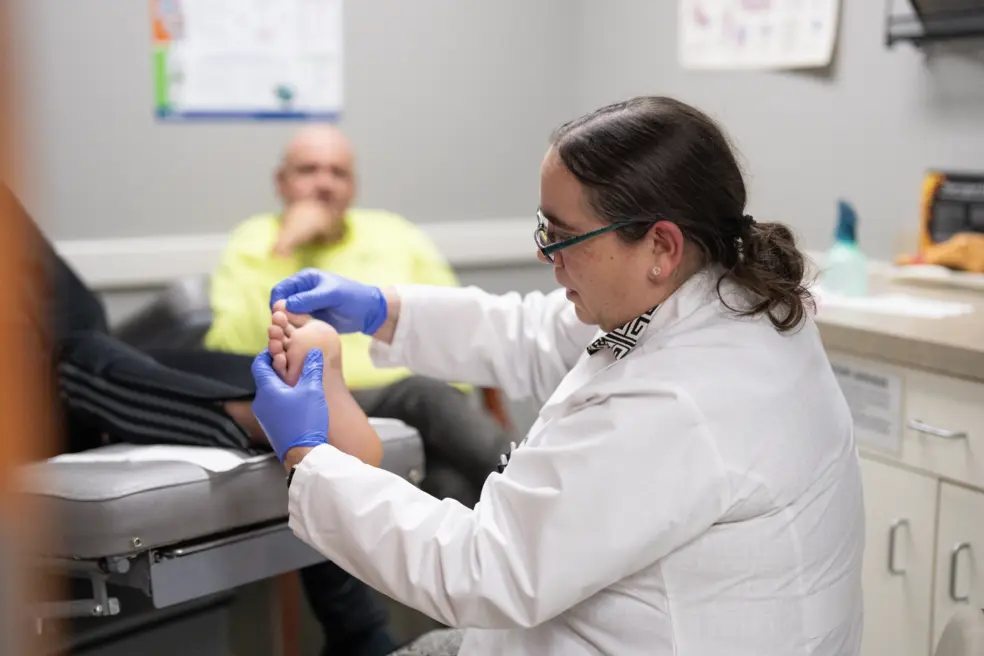
A comprehensive evaluation goes beyond visual inspection. Assessment includes nail structure, skin quality, circulation, sensation, biomechanics, and overall medical history. AAOP-aligned principles support examining how foot structure and gait contribute to chronic skin or nail stress, while diagnostic tools may be used to rule out infection, nerve involvement, or inflammatory disease when appropriate.
Early diagnosis allows for conservative management, reducing the likelihood of progressive tissue damage or more invasive interventions.
Treatment and Ongoing Management
Treatment strategies are individualized and may include local care for skin and nails, pressure redistribution, footwear modification, biomechanical support, and coordination with medical management for systemic conditions.
An integrated approach prioritizes tissue protection, infection prevention, and functional stability rather than short-term symptom relief alone.
Education is a critical component of care, helping patients recognize early warning signs and understand how daily habits influence long-term foot health.
Related Conditions and Comprehensive Care
Skin, nail, and systemic issues are often linked with ingrown toenails, warts, gout, diabetic foot conditions, nerve disorders, foot pain, and structural deformities such as hammertoes or flatfoot. Addressing these related conditions together allows for better outcomes and supports durable, long-term foot function.
Your Plan for Recovery
- Early Identification and Monitoring: Regular evaluation helps detect skin, nail, or systemic changes before they progress into painful or limiting conditions.
- Personalized, Whole-Foot Care: Under the guidance of Dr. James M. DeJesus, Dr. Austin Davidow, Dr. Michelle DeJesus, or Dr. Betty Carreira, treatment targets both visible symptoms and underlying mechanical or systemic contributors.
- Long-Term Protection and Prevention: Ongoing care focuses on maintaining skin integrity, reducing pressure and irritation, and supporting mobility so patients can stay active and independent.
Comprehensive management of skin, nail, and systemic issues helps protect foot health, reduce complications, and support an active, confident lifestyle over time.
Schedule Your Appointment Today
Our team will help you understand the cause of your symptoms and whether surgical correction may offer long-term relief. Schedule a consultation to begin your path toward comfortable, confident movement.
Whether you need a routine diabetic foot check, orthotics for work, or treatment for an injury, Family Footcare CT is here to help. Contact us!
Call us today to book your visit:
📞 +1 203-405-6501
Frequently Asked Questions (FAQ) regarding Foot and ankle Skin, Nail & Systemic Issues
Toenail fungus (onychomycosis) typically causes thickening, yellow or white discoloration, and a brittle texture. A bruised nail (subungual hematoma) is usually dark red or black following an injury. A CT podiatrist can test a small sample for an accurate diagnosis.
Yes, plantar warts are caused by the HPV virus and can spread in moist environments like CT gym locker rooms or pools. Professional treatment, such as cryotherapy or topical acid, is more effective than over-the-counter kits.
Systemic issues like diabetes can cause neuropathy (loss of feeling) and poor circulation. This means a small cut or blister can quickly turn into a dangerous foot ulcer. Regular diabetic foot exams in CT are essential for preventing infections and amputations.
For recurring ingrown nails, a minor in-office procedure called a “partial nail avulsion” can permanently prevent the side of the nail from growing back into the skin. This provides instant relief and prevents infection.
Yes, persistent rashes, scaling, or redness can be athlete’s foot, psoriasis, or even signs of poor circulation. If a rash doesn’t clear up with antifungal cream, a specialist in CT should evaluate it for underlying systemic causes.