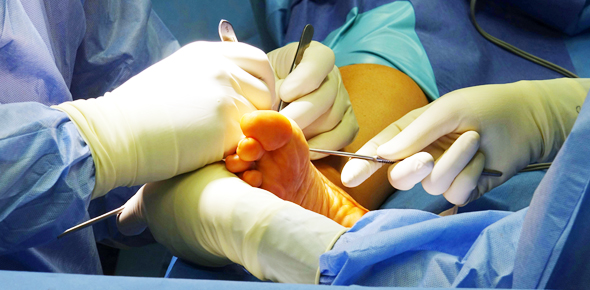
Flatfoot (pes planus) and high arches (pes cavus) are structural foot conditions that affect how weight is distributed across the foot and how forces travel through the ankle, knee, and lower extremity.
Both conditions exist on a spectrum and may be flexible or rigid, asymptomatic or painful, depending on alignment, muscle balance, and joint integrity.
At Family Footcare CT, flatfoot and high-arch conditions are evaluated with a functional, long-term perspective. Care is provided by our CT podiatrists, whose clinical approach emphasizes understanding why the foot is shaped and functioning the way it is—rather than treating symptoms in isolation.
Our CT podiatrists specialized in Flatfoot & High Arches
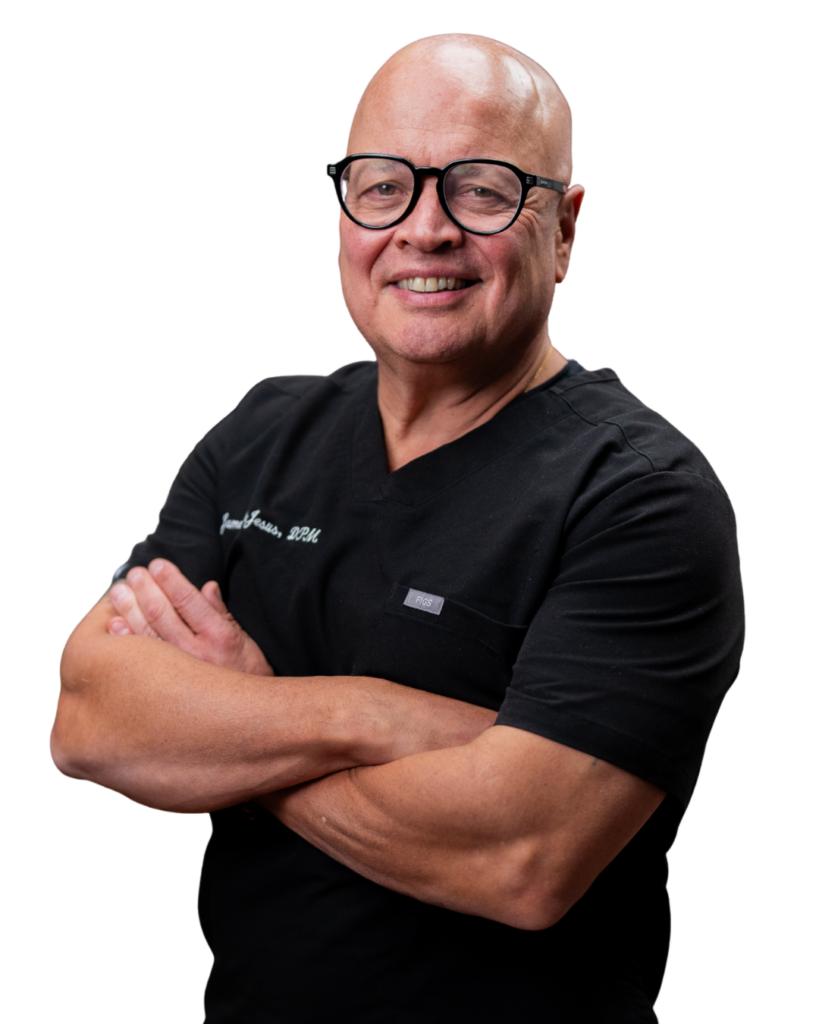
DPM, FACFAS, FACFO
Over 30 years of experience in podiatric surgery, medical education, and clinical leadership
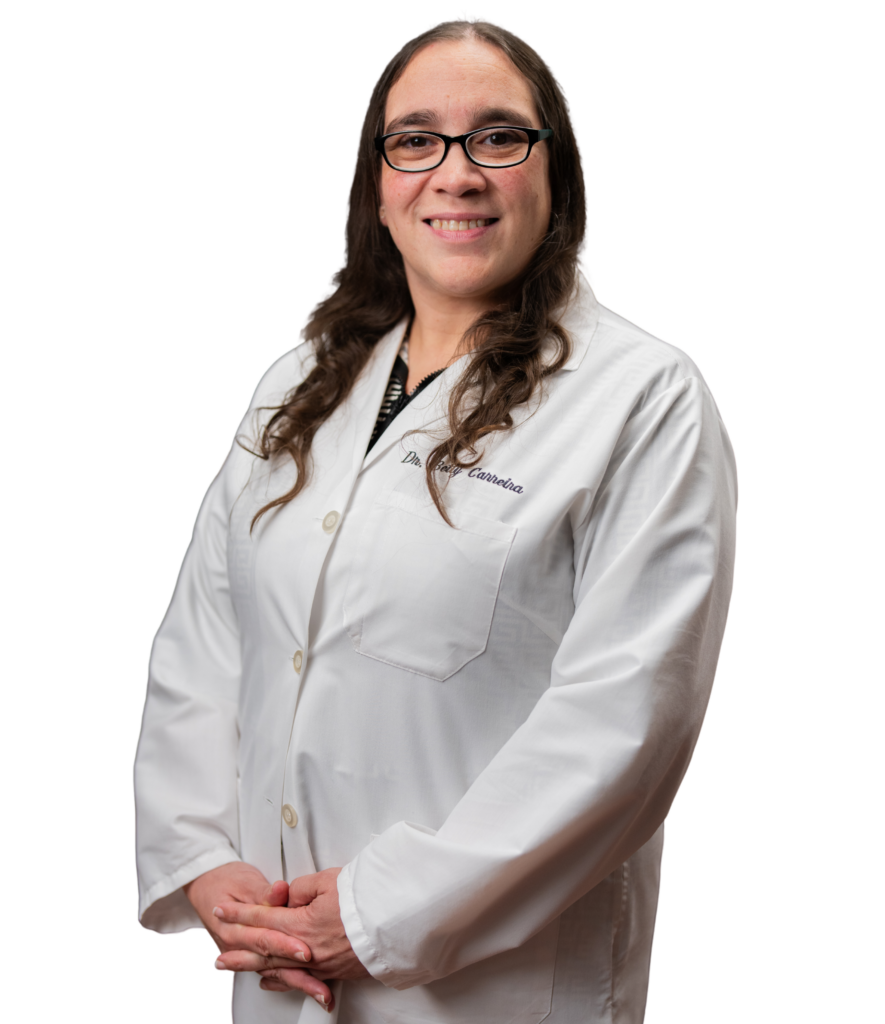
DPM
More than a decade of caring for patients across Connecticut as a board-certified podiatric surgeon
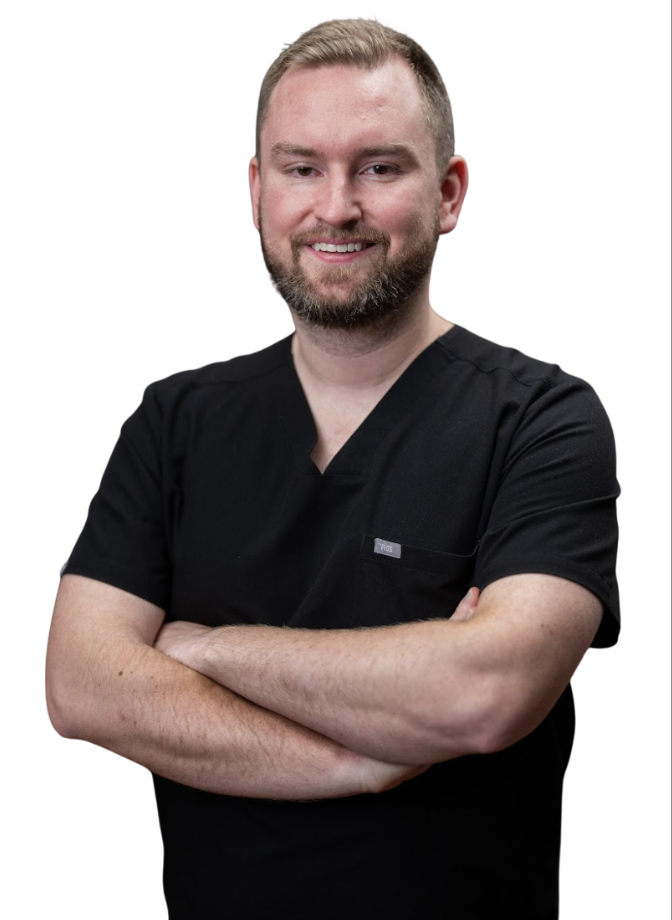
DPM
Up-to-date surgical training with a conservative-first approach, guided by current research

DPM
An exercise science specialist who combines advanced surgical training with genuine empathy
Understanding Flatfoot and High-Arch Mechanics
Flatfoot occurs when the medial arch collapses or fails to form adequately, often due to ligament laxity, posterior tibial tendon dysfunction, arthritis, or prior injury. Adult-acquired flatfoot frequently progresses over time, leading to hindfoot valgus, forefoot abduction, and increasing strain on tendons and joints.
High arches, by contrast, are characterized by excessive arch height that remains rigid during weight bearing. AAOS guidance notes that pes cavus feet are less effective at shock absorption, which increases pressure on the heel and forefoot and may contribute to stress fractures, ankle instability, and recurrent sprains. Neuromuscular conditions or prior trauma are common contributing factors.
Common Symptoms and Functional Limitations
Patients with flatfoot often report fatigue, arch pain, ankle discomfort, and difficulty standing for long periods. As alignment worsens, pain may extend to the knees or lower back due to altered gait mechanics. In high-arch feet, symptoms more commonly include heel pain, metatarsal pain, calluses, frequent ankle sprains, or a feeling of instability.
Both conditions can significantly affect balance and increase injury risk when not properly managed. Dr. Austin Davidow emphasizes that persistent symptoms usually reflect underlying mechanical overload rather than isolated inflammation.
Diagnosis and Clinical Evaluation
Evaluation includes a detailed physical exam, gait analysis, assessment of foot flexibility, and review of weight-bearing alignment. Digital X-rays are commonly used to assess bone structure, joint congruency, and degenerative changes. AOFAS recommendations stress the importance of determining whether deformities are flexible or rigid, as this distinction guides both conservative and surgical decision-making.
Dr. James M. DeJesus notes that accurate diagnosis allows treatment to focus on restoring functional alignment, not just reducing pain.
Non-Surgical and Surgical Treatment Options
Many patients benefit from conservative management, including custom orthotics, footwear modifications, targeted strengthening, and activity adjustments.
Properly designed orthotics can redistribute pressure, improve gait efficiency, and reduce tendon strain in both flatfoot and high-arch conditions.
When pain, instability, or progressive deformity persists despite conservative care, surgical intervention may be considered. AOFAS guidance supports surgery in cases involving tendon failure, rigid deformity, or advanced arthritis.
Procedures may include tendon reconstruction, osteotomies, joint fusion, or a combination of techniques tailored to the individual’s anatomy and functional goals. Surgical planning is always personalized and focused on long-term stability and mobility.
Related Conditions and Services
Flatfoot and high arches are frequently associated with other foot and ankle conditions, including ankle instability, plantar fasciitis, heel pain, tendon injuries, arthritis, hammertoes, and forefoot overload.
Addressing these related issues is often essential for lasting improvement and injury prevention.
Your Plan for an Active Life
1. A Comprehensive Structural Evaluation
Your care begins with a detailed assessment of foot alignment, flexibility, gait mechanics, and imaging findings to identify the root mechanical drivers of your symptoms.
2. A Clear, Personalized Treatment Strategy
Your doctor will explain whether orthotics, rehabilitation, or surgical correction is most appropriate, outlining why the approach is recommended and what outcomes you can expect.
3. A Guided Path Back to Confident Movement
Treatment includes progressive support, protection of affected structures, and rehabilitation aimed at restoring balance, strength, and long-term comfort.
Take the Next Step Toward Better Foot Function
Structural foot conditions rarely improve on their own and often progress without proper care. At Family Footcare, treatment is guided by evidence-based, delivered by experienced physicians at our Danbury, Southbury, and Naugatuck, CT, offices.
Schedule an appointment to understand your foot structure, explore your options, and move forward with greater stability and confidence.
📞 +1 203-405-6501
Frequently Asked Questions (FAQ) regarding Flatfoot & High Arches
Not always, but “fallen arches” can lead to overpronation, causing pain in the feet, ankles, knees, and even the lower back. If flat feet cause discomfort or limit your activity, a CT podiatrist can provide corrective support.
Yes. High arches place excessive pressure on the ball and heel of the foot, often leading to plantar fasciitis, metatarsalgia, or ankle instability. Custom orthotics are the “gold standard” for redistributing this pressure.
Most children develop arches by age 6. However, if your child has “pediatric flatfoot” that causes pain, tripping, or fatigue during sports, our specialists in CT should evaluate them for corrective inserts.
Unlike store-bought inserts, custom orthotics are molded to your unique foot structure. They realign the foot, support the arch, and prevent the “rolling” motion (overpronation) that causes long-term joint wear.
If conservative treatments like bracing or orthotics fail, reconstructive surgery can “rebuild” the arch. Our CT clinic offers advanced procedures to realign the foot and restore pain-free mobility.